
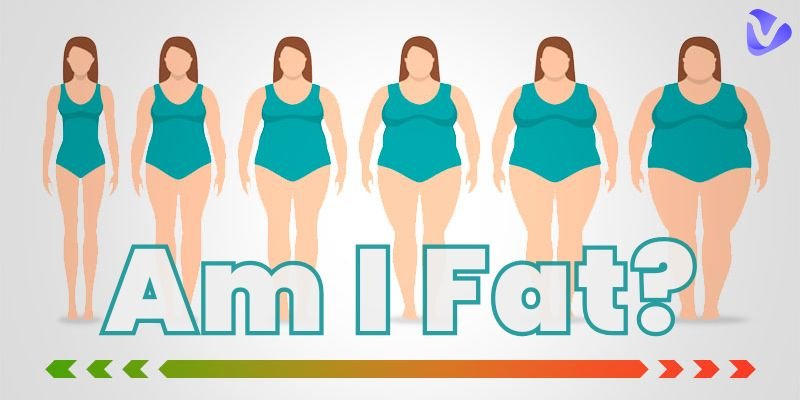
In today’s digital era, one phenomenon that has quietly woven itself into the fabric of everyday life is what some refer to as the “YouTube Fat Age” — a term that encapsulates the era of prolonged, repeated screen exposure coupled with sedentary behavior, especially through platforms like YouTube. While binge-watching for hours may seem harmless, emerging research shows that the health implications of this trend are significant and potentially life-altering.
What Is the “YouTube Fat Age”?
The “YouTube Fat Age” refers to a lifestyle characterized by excessive screen time, especially on video platforms, leading to long periods of physical inactivity. Unlike traditional television viewing, YouTube allows for non-stop, personalized content streaming, which often results in marathon sessions of watching. These extended periods of inactivity are not merely a passive way to kill time — they form the foundation of a sedentary behavior pattern directly linked to weight gain, obesity, and other metabolic issues.
The Link Between Screen Time and Obesity
Studies consistently show a strong correlation between screen time — whether it’s television, computers, or mobile devices — and an increased risk of becoming overweight or obese. A major meta-analysis revealed that adolescents with the highest screen time were significantly more likely to develop overweight or obesity compared to their less-screen-exposed peers.
Screen time is not just about sitting idle. When people watch for long hours, their energy expenditure drops almost to the basal metabolic rate — meaning their bodies burn very few calories. Over time, this low energy use builds up, contributing to weight gain.
Moreover, a dose-response relationship has been found in children: each additional hour per day spent watching TV is associated with a measurable increase in obesity risk.
Why YouTube Makes It Worse
YouTube’s structure and algorithm intensify the risk. Unlike traditional TV channels, YouTube feeds users a never-ending stream of videos tailored to their interests. This personalized recommendation mechanism encourages users to continue watching — sometimes for hours. Combine that with emotionally engaging or addictive content, and sustaining prolonged viewing sessions becomes easy.
Additionally, binge-watching is often accompanied by mindless snacking. During these session s, many people eat more — and not always healthy food. Research carried out during the COVID-19 pandemic showed that people who increased their binge-watching also reported increased frequency of eating, especially under stress.
Metabolic Consequences: More Than Just Weight Gain
The damage caused by the YouTube Fat Age isn’t limited to just higher body mass. Prolonged sedentary behavior can disrupt your metabolism in profound ways. Extended periods of sitting reduce muscle movement and suppress the metabolic processes that keep you healthy.
Long-term inactivity is also associated with metabolic syndrome — a cluster of conditions including high blood sugar, increased blood pressure, abnormal cholesterol levels, and increased abdominal fat. These conditions significantly elevate the risk of type 2 diabetes, heart disease, and other chronic illnesses.
Sleep Disruption and Its Role in Obesity
One of the more insidious impacts of this sedentary, screen-focused lifestyle is on sleep. Watching content at night or for long periods can disrupt your sleep quality and duration. In children and adolescents especially, poor sleep combined with excessive screen time has been linked to higher body mass index (BMI).
When you don’t sleep well or long enough, your body’s hormonal balance is disturbed. Hormones that regulate hunger and satiety, such as ghrelin and leptin, are thrown off balance, which can increase appetite and food intake. Over time, this contributes to weight gain and makes it harder to stay healthy.
Psychological and Behavioral Implications
Excessive YouTube watching isn’t just a physical health risk — it carries emotional and behavioral consequences too. Studies show that binge-watching is associated with stress, insomnia, and a lack of self-control.
Because prolonged viewing often replaces healthier activities like exercise, social interaction, or sleep, it can foster a sedentary and isolated lifestyle. That isolation can deepen mental health struggles, such as anxiety or depression, which in turn may push individuals to return to even more screen time — a self-perpetuating cycle.
Public Health Concerns: A Growing Epidemic
From a broader social perspective, the YouTube Fat Age represents a looming public health concern. In lower- and middle-income countries especially, screen time is rising rapidly, while obesity rates are climbing too.
For children and teens, the situation is particularly worrying. These formative years are critical for establishing healthy habits. When sedentary behavior becomes normalized early, the risk of lifelong metabolic issues and chronic disease increases.
What Can Be Done? Mitigating the Risks
Set Boundaries and Limits
One of the most effective strategies is simply limiting screen time. Allocate specific periods for YouTube or streaming, and set a daily time cap. Encouraging “screen-free” hours — especially before bed — helps reduce the risk of sleep disruption.
Promote Active Breaks
During long viewing sessions, take breaks to move. Stand up, stretch, walk around, or do light exercises. These periodic interruptions help counteract the harmful metabolic effects of prolonged sitting.
Foster Better Sleep Hygiene
Create a bedtime routine that avoids screens at least an hour before bed. Use night mode or blue light filters if unavoidable. Ensuring good sleep is vital for hormone regulation and metabolic health.
Encourage Mindful Eating
Avoid eating mindlessly while watching YouTube. Instead, plan meals or snacks separately from screen time. Being conscious of what and when you eat reduces the risk of overindulgence during marathon watching.
Raise Awareness
Public health campaigns, families, and schools need to highlight the dangers associated with the YouTube Fat Age. Teaching self-control, media literacy, and balanced lifestyle habits from an early age can make a big difference.
Support Healthy Content Consumption
Leverage YouTube’s power for good: subscribe to workout channels, educational content, and wellness-focused creators. This way, screen time can be repurposed into something that supports physical and mental health.
Conclusion: The Silent Threat of the YouTube Fat Age
What started as entertainment has quietly evolved into a public health risk: the YouTube Fat Age. Through hours of binge-watching, uninterrupted screen use, and relentless sedentary habits, countless individuals are unwittingly putting their long-term health in jeopardy. The repercussions — weight gain, metabolic syndrome, poor sleep, psychological stress — are real, measurable, and dangerous.
Recognizing the threat is the first step. The next is taking action: consciously limiting screen time, encouraging physical movement, and restoring balance in daily life. In doing so, we can reclaim control over our habits and health, turning what might have been a hidden danger into a platform for positive change.
