
Overview
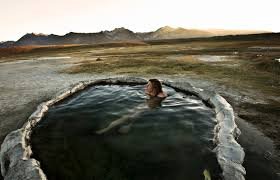
Hilltop Hot Springs — sometimes referred to as “Pulkey’s Pool” — is a natural geothermal hot spring situated near Mammoth Lakes, California. Many people visit it seeking a relaxing soak, mountain views, and the scenic beauty of the surrounding Eastern Sierra. On the surface, it appears as a peaceful escape: a small cement-and-rock pool filled with warm water, with a short easy trail from a nearby parking area.
But beneath that serene façade lie serious hazards — some shared by all geothermal hot springs, others more specific to Hilltop. In certain conditions, a visit here might not just be relaxing — it could be dangerous.
Hidden Dangers of Hot Springs — What Applies to Hilltop
Extreme Water Temperatures & Burn Risk
- Hot springs like Hilltop draw water naturally heated underground. That results in water that can reach very high temperatures, sometimes enough to cause severe burns in seconds or minutes.
- In fact, experts warn that what looks like a benign “warm pool” may in reality be dangerously hot, giving no obvious visual cue before you slip into scalding water.
- At Hilltop, residents note that the pool is “one of the hottest springs in the area,” and many visitors can only tolerate a few minutes inside.
Implication: Casual dipping, or allowing children or pets near the water, can easily result in burns. It’s unwise to treat the spring like a swimming pool or shallow pond.
Toxic Gases & Chemical Hazards from Geothermal Water
- Natural hot springs often release geothermal gases such as Hydrogen sulfide (H₂S), carbon dioxide and others. These gases can accumulate near the surface, especially in still or poorly ventilated areas.
- Hydrogen sulfide is particularly dangerous — even at low concentrations it can irritate the eyes, nose, and throat; at higher concentrations it can cause serious poisoning, respiratory failure and even death. There are documented cases where people bathing in thermal springs inhaled H₂S and suffered fatal consequences.
- Because hot springs draw water from deep underground, they might also carry mineral toxicity, heavy metals or other contaminants depending on the geology — something strongly cautioned in general hot-spring safety guides.
Implication: Even if the water looks clean and inviting, inhaling vapors or immersing oneself can pose health hazards. Particularly risky is staying too long in enclosed or low-ventilation spots, or near emission vents.
Unstable Ground & Geological Instability
- Geothermal areas — like those around Hilltop — sometimes lie on unstable terrain. The earth’s crust can be thin, fractured, or weakened by thermal activity, which may cause rock collapses or sudden changes beneath the ground.
- There is the risk of sudden hydrothermal events — e.g., underground boiling leading to steam or hot water eruptions, displacement of rock or mud, or the release of previously trapped pressurized water. Scholars call these events Hydrothermal explosion.
- Even if a pool looks safe and contained, the geothermal plumbing beneath the surface may be unpredictable, and what seems like “safe ground” could be fragile.
Implication: Walking around carelessly, straying off the established pool area or letting animals roam unsupervised might trigger a collapse or sudden eruption — a potentially deadly event.
Remote Location, Lack of Facilities, and Environmental Exposure
- Hilltop has no facilities: no restrooms, changing rooms, lifeguards or safety infrastructure. Visitors must carry everything themselves — towels, water, clothing, first-aid.
- The trail is short and simple, but in winter or after snow/rain, the dirt road and ground can become slippery and dangerous. Some reports caution that cars may struggle, and standard shoes may not provide enough traction.
- Hot water immersion can lead to dehydration, overheating, or fainting — especially if one soaks too long. Health-oriented guides on hot-spring bathing warn that “hot potting” has resulted in serious injuries and even deaths.
Implication: In case something goes wrong — a fall, burn, gas exposure, or medical emergency — help may be far away. There’s no guarantee of cell-phone service, and rescue or medical support could take a long time to reach you.
Why Hilltop Often Appears “Safe” — And Why That Is Misleading
Many travel-blog articles and photo reels of Hilltop highlight its cozy pool, easy accessibility, and the breathtaking mountain views. Indeed:
- The trail from the parking lot is short — only about a quarter-mile.
- The pool is “built”: cement and rock work make it look like a modest tub rather than a wild geothermal pool.
- The surroundings are often tranquil: wide-open sky, quiet desert flora, and distant Sierra peaks — giving a sense of calm and control.
That combination — level ground, visible pool, easy access — lulls many visitors into a false sense of security. But what you see on the surface is only the tip of the iceberg.
Because many of the risks associated with geothermal springs are hidden below the surface (unstable geology, hot water plumbing, toxic gases, changing temperatures), “looking safe” does not equal “being safe.”
Real Incidents from Other Hot Springs — A Warning
Although I found no public record of a fatal accident at Hilltop itself, other hot springs worldwide — even well-known ones — have caused serious injuries or deaths, underscoring how dangerous “soaking for fun” can be.
- There are documented cases of gas poisoning from geothermal water: inhalation of H₂S has caused unconsciousness or death in bathers.
- In some hot springs, water temperatures have caused fatal burns or scalding injuries, sometimes resulting in immediate death, especially when people fall in or grossly underestimate the water’s danger.
- Springs with hidden underwater structures — caves, ledges, sinks — have seen drownings or severe head injuries when people submerged themselves or slipped under the water.
- Environmental contamination (bacteria, sulphur compounds, heavy metals, chemical imbalances) can cause skin problems, gastrointestinal illness, or respiratory issues — especially in hot, mineral-rich, stagnant pools.
Given that Hilltop shares many of the risk factors common to other natural hot springs, these incidents offer a sobering warning to anyone considering a soak there.
What Makes Hilltop Especially Risky
Putting together what we know about hot-spring hazards, and what is known about Hilltop’s physical features, the following factors make it especially vulnerable to being dangerous:
- The water flows through natural geothermal pipes and enters a man-made pool — meaning the temperature and flow can change quickly and unpredictably.
- The pool is small (“fits around six people”), which means overcrowding can force people in who might be sensitive to heat or waterborne hazards.
- The surrounding terrain — desert scrub, rocky ground, and sometimes snow or ice — is slippery and remote, lacking safety rails or warning signs.
- No formal monitoring of water quality or geothermal gas levels — so it’s impossible for a visitor to know whether the water is contaminated or gas concentration is safe.
In short: Hilltop offers the illusion of a safe, scenic soak — but from a safety and geology standpoint, it behaves like a typical wild geothermal spring. That gap between appearance and reality is what makes it dangerous.
Precautions — What Someone Must Do if Visiting Hilltop
If someone still decides to visit Hilltop (or any natural hot spring), these precautions are vital:
- Test the water gradually. Don’t plunge in immediately. Use a small part of your body first (hand, foot) to gauge temperature. Be especially careful with children, elderly, or anyone with heat sensitivity.
- Limit soak time. Even if the water feels pleasant, spending too long can lead to overheating, dehydration, or fainting. Have water to drink, avoid alcohol or drugs that impair judgment.
- Avoid breathing vapors near the source. Gases like H₂S can accumulate invisibly; if you smell a strong rotten-egg odor — or if the smell suddenly disappears — leave immediately.
- Stay on established paths and areas. Don’t wander around, don’t step on soft or suspicious ground, avoid edges of geothermal ground.
- Don’t go alone. Remote location + potential hazards = better to have a companion. Also good to let someone know where you are.
- Stay out if you’re unwell. Respiratory issues, skin sensitivity, open wounds — these increase risk from hot water, chemicals, or bacteria.
- Respect the environment. Don’t use glass, leave trash behind, avoid contaminating the water, and be mindful of flora/fauna.
Conclusion — A Natural Gem with Hidden Perils
Hilltop Hot Springs can indeed offer a breathtaking experience: snow-capped mountains, steamy warm water, star-filled skies and a quiet escape far from busy resorts. But that beauty should not lull anyone into underestimating the risks.
The combination of extreme heat, unstable geology, unpredictable geothermal activity, potential toxic gases and lack of infrastructure means that visiting Hilltop carries real danger — perhaps more than many casual visitors realize.
If you go there, treat it with respect and caution, as you would any wild geothermal site. That way, you might enjoy its magic without turning a peaceful soak into a tragic mistake.
