
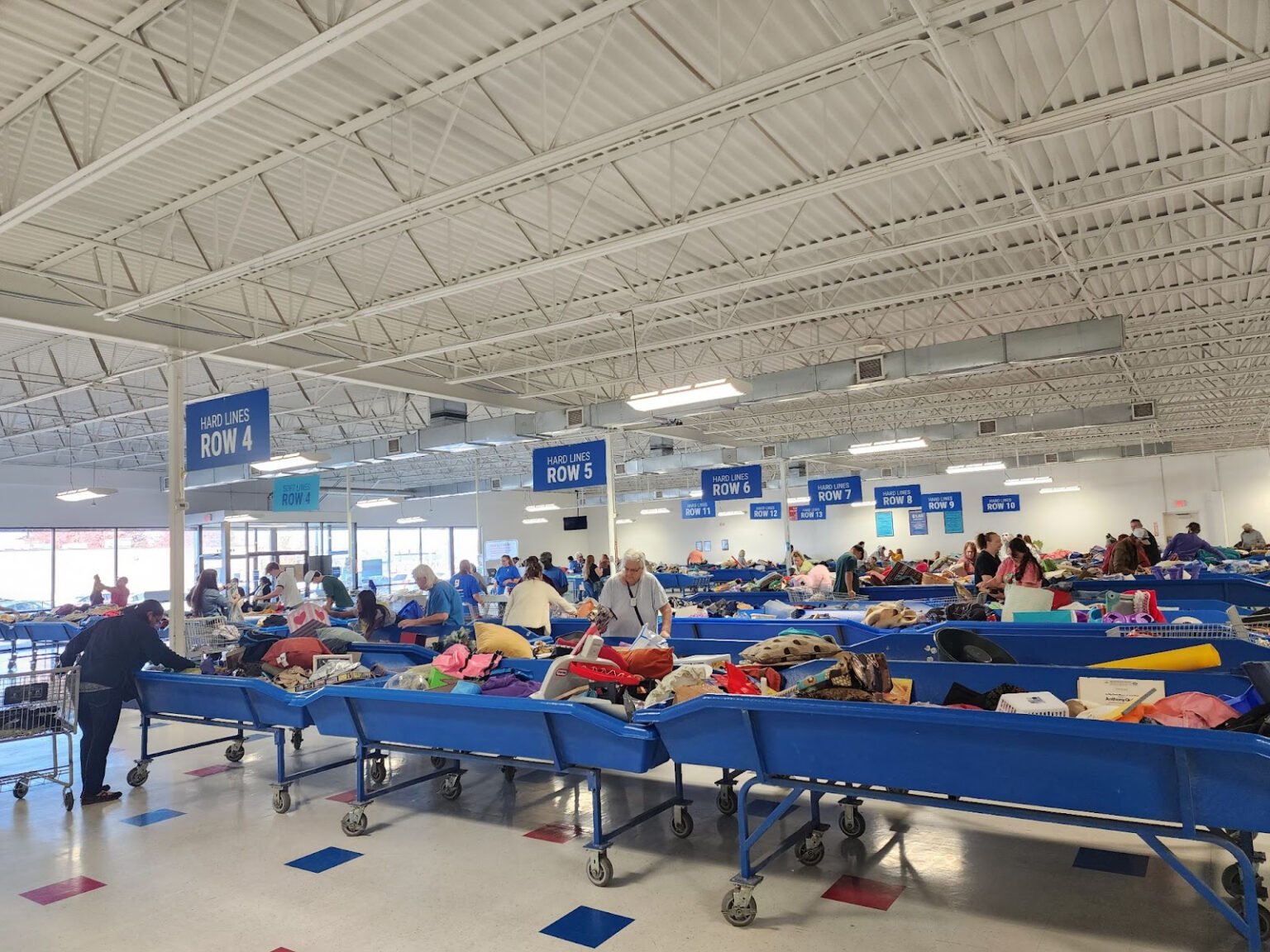
In many communities, especially in cities and urban areas worldwide, charity-style clothing or donation bins — sometimes labeled as belonging to nonprofits or second-hand thrift organizations — are common. It might seem tempting for people in need or bargain-hunters to “check” such bins. But there are serious risks and dangers tied to this kind of activity: health hazards, legal risks, and social problems. Below is a detailed analysis of why rummaging through “Goodwill-style” bins — or even trusting that a bin is run by a genuine charitable organization — can be dangerously misguided.
What are donation / “Goodwill bins”?
Donation bins (or clothing banks) are containers where people drop off items — usually clothing, shoes or household goods — intended to be donated to charities, thrift shops, or recycling efforts.
In principle, these bins offer an easy way for donors to give unwanted items a second life, helping needy families, individuals, or reselling through thrift stores.
But the reality is that not all bins are legitimate — some are run by for-profit operators, or even fraudulent actors posing as charities.
Many times, people assume that everything placed into such bins will go to the needy — but in practice, a large fraction of donations end up being sold, shipped overseas, or thrown away.
Health & Hygiene Risks of Used Clothes / Items
One of the biggest dangers of “checking” or retrieving items from donation bins, especially for used clothes or soft goods, lies in the risk of infection and contamination.
- Scientists studying second-hand clothing have found that used garments can harbour a wide array of pathogens — including bacteria like Staphylococcus aureus, fungi, and even parasites.
- These germs may cause skin infections, blood infections, or general illness. Some — like E. coli, norovirus or salmonella — are known to cause fever, vomiting, and diarrhoea.
- Importantly: germs on clothing can remain viable for extended periods — on cotton/mixed-fibre clothes for up to 90 days, and on polyester for up to 200 days, especially in humid conditions.
- Even parasites or microscopic agents (e.g. scabies mites, lice eggs) have been reported in some second-hand clothing — meaning that contact could lead to skin infestations or dermatological issues.
For immunocompromised individuals — people with weak immune systems — the risk may be even higher.
Because of these hazards, experts strongly recommend that any second-hand clothes or soft goods be thoroughly cleaned before use: washed separately, preferably at high temperatures (or with disinfectants), and dried/ironed well to eliminate germs.
But even with cleaning, some risk remains — especially if items are structurally damaged, stored in poor conditions, or have been exposed to bodily fluids or pests.
Legal, Structural & Social Problems with “Bins Checking”
• Many bins are fake, fraudulent or improperly placed
Recent investigations (for example in U.S. states) show that a significant number of charity-labeled bins are not run by genuine nonprofits. Instead, for-profit companies place “charity” bins illegally — often without permission from property owners, without proper authorization or registration, and without ensuring that donated items or proceeds go to charity.
In such cases, the bin may simply serve as a collection point, and the “donations” are sold for profit, never reaching those in need.
So if someone rummages through these bins, they may be trespassing or interfering with private-property or company property — potentially exposing themselves to civil or criminal liability.
• Bins are often misused — dumping, litter, contamination
Even when bins are legitimate, overfilling, improper dumping, or dumping of items that are not clothes (mattresses, electronics, trash) is common.
Many people treat bins as convenient garbage/ dumping points instead of donation bins to collect usable clothes. This leads to large piles of unsellable, dirty, or even hazardous waste surrounding the bins.
Such misuse reduces the likelihood that anything retrieved will be safe or usable — increasing risks of contamination, pests, or injuries.
• Theft, vandalism, and unsafe human behavior
Bins and their contents are often vandalized, stolen, or disturbed. Items disappear, bins are broken into, or people rummage indiscriminately — sometimes even engaging in theft or fighting over items.
In some cases, local authorities warn that stealing or scavenging from donation bins is punishable under the law.
Furthermore, because many people treated bins as dumping sites, charity organizations themselves sometimes remove bins from neighborhoods — meaning there might not even be a bin nearby to check.
Finally, even if you manage to retrieve items, these may be in unsanitary, damaged or dangerous condition — continuing the cycle of waste, contamination, and risk.
What motivates people to check bins — and why it’s risky
There are several reasons why people gravitate toward checking or scavenging from donation bins:
- Poverty or economic hardship: For individuals or families in need, second-hand clothes can offer a way to access clothing at little or no cost.
- Bargain-hunters / thrift-seekers: Some people look for rare finds, vintage clothes, or items that can be resold (for profit or small business).
- Homelessness or lack of resources: For people without stable housing or income, bins can be a source of last-resort necessities.
But given the serious health hazards, legality issues, and unpredictable quality of items, using bins as a stable source of usable goods or clothing is risky.
Additionally, with the increasing presence of fraudulent bins, there’s no guarantee that even if a bin looks “official,” its contents or purpose are genuine.
If you must use second-hand donations: precautions and safer alternatives
If someone is in a situation where they must rely on second-hand items — whether from bins, thrift shops, flea markets, or donations — there are a few guidelines to reduce risk:
- Check legitimacy: If possible, try to verify whether the bin belongs to a registered nonprofit or charity. Look for signage, contact info, disclaimers, official registration.
- Avoid scavenging “unchecked” bins: Taking items from a bin not meant for public rummaging may be illegal, unsafe and insalubrious.
- Assume contamination: Treat all second-hand clothes (especially from bins, markets, or unknown sources) as potentially contaminated. Always wash thoroughly at high temperature (if the fabric allows), or disinfect them as best as possible before use.
- Be cautious with used items beyond clothing: Furniture, electronics, toys — many donated items may be broken, banned, or unsafe (especially after wear or damage). Indeed, studies of thrift-store shops found many hazardous products among their inventory.
- Consider safer alternatives: Local charities, social welfare organizations, shelters, or community-driven free-distributions may offer aid more reliably than rummaging bins. Don’t assume bin contents mean free-for-all.
Bigger-picture consequences
- Charity mission undermined: When bins are misused (dumping of rubbish, illegal disposal, fake bins), the actual purpose of helping needy is compromised — charities often spend vast resources sorting, discarding, or managing contaminated goods instead of helping people.
- Environmental damage and waste: Improper disposal or dumping outside bins results in environmental pollution, waste of materials, and sometimes harmful substances being disposed of irresponsibly.
- Public health threat: Used clothing or contaminated items — especially when redistributed or sold — can facilitate spread of infections, parasites, or fungi, putting entire communities at risk.
- Erosion of trust: When donation systems are exploited or fail, public trust in charitable giving declines. People may hesitate to donate (even legitimately), or informal scavenging might rise, perpetuating risks.
Conclusion: “Checking goodwill bins near me” is risky — often more dangerous than helpful
While the idea of donation bins may look like a charitable, community-oriented solution to redistribute goods and help needy people, the reality is more complex — and often alarming. Scavenging or rummaging through “Goodwill-style” bins is fraught with health hazards, legality issues, contamination risks, and social problems.
Even second-hand clothing — which many consider harmless — can harbor bacteria, viruses or parasites that persist for months, especially in humid climates.
Moreover, with growing numbers of fake or for-profit bins masquerading as charitable donation points, there is no guarantee that “what’s left in the bin” is legitimately charity-worthy or safe for reuse.
Therefore, using donation bins as a source for free clothes or goods should be avoided unless you can verify legitimacy and are prepared to thoroughly sanitize or disinfect items. For individuals or families in need, safer alternatives — like established nonprofits, community aid organizations, or direct charitable distributors — remain preferable.
Unless you have a clear guarantee of the bin’s authenticity and commit to hygiene protocols, the act of “checking goodwill bins near me” carries too many risks to be considered a reliable option.
