
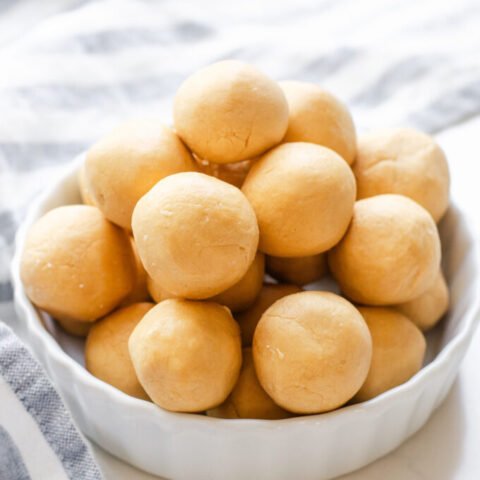
Peanut butter balls — or any sweet treat made with peanut butter — can be delicious and tempting. Many people love them as snacks, desserts, or quick bites. But while for most individuals they are perfectly safe, there are scenarios in which peanut butter balls (or similar peanut-butter confections) can pose serious risks. In this article, we explore when and why these seemingly innocent treats may turn dangerous: from allergies, to choking hazards, to storage and contamination concerns — and what you should be careful about if you enjoy them.
What Are Peanut Butter Balls and What’s in Them
“Peanut butter balls” usually refers to small confections, often homemade (but sometimes store-bought), where the main ingredient is peanut butter. These treats might be simple — just peanut butter rolled into balls — or more elaborate, combining peanut butter with sugar, chocolate, cocoa powder, syrups, or other flavorings.
Peanut butter itself is appreciated because it contains healthy nutrients: unsaturated fats, plant-based proteins, some vitamins and minerals, and dietary fiber. In moderate amounts, peanut butter can contribute beneficially to a balanced diet.
However, when used in sweet confectionery — along with sugar, chocolate, syrups or processed ingredients — the resulting treat becomes much more calorie-dense and rich in fats and sugars. On top of that, peanut-based products can carry additional hazards if not properly managed (from contamination to spoilage).
Therefore, while peanut butter balls can offer pleasure and energy, it’s wise to consider certain caveats before treating them as “harmless snacks.”
Why Peanut Butter Balls Can Be Dangerous
1. Severe Allergies — a Real Threat
Peanuts are among the most common and potentially serious food allergens. For individuals allergic to peanuts, even trace amounts of peanut proteins — present in peanut butter — may trigger a strong, sometimes life-threatening reaction: ranging from hives and swelling, to breathing difficulties, or even anaphylaxis.
Because peanut butter is often mixed into sweets that might not look “nutty,” there’s also a risk that someone unaware of their allergy may consume peanut butter balls by mistake. For anyone with peanut sensitivity, the safest choice is to avoid peanut-based products entirely.
2. Choking Hazard, Especially for Vulnerable Individuals
Peanut butter has a thick, sticky texture. When combined into balls — especially if coated in chocolate or mixed with coarse ingredients — the resulting treat can be dense, firm, or sticky. For small children, older adults, or people with swallowing difficulties (due to neurological conditions, disabilities, or age-related decline), that texture can pose a real choking risk.
If peanut butter balls are offered, it’s important to ensure they are broken down into small, chewable bites. Never assume that because a treat is “homemade” or “soft,” it’s safe for everyone.
3. High Calories & Saturated Tastes — Easy to Overeat
Peanut butter balls are often calorie-dense. The combination of peanut butter (rich in fats), sugars, and possibly chocolate or syrups means each ball can deliver a significant energy load. Regular or excessive consumption can lead to:
- Overeating and weight gain
- Digestive issues like heaviness, indigestion, or reflux
- A diet skewed towards high fat and sugar, possibly displacing healthier foods
For those using peanut butter balls as “quick snacks” throughout the day — especially without balancing intake — the risk of overconsumption and its consequences is nontrivial.
4. Contamination Risks — Molds, Toxins, Bacteria
Peanuts (and by extension, peanut butter) can be vulnerable to contamination, especially if grown, processed, or stored in suboptimal conditions. One of the most serious concerns is the presence of aflatoxins — toxins produced by certain molds that can grow on peanuts under warm, humid conditions. Aflatoxins are harmful to the liver and can have long-term health implications.
Moreover, homemade or artisanal peanut butter — or peanut butter balls stored for a long time, or not refrigerated properly — can be prone to bacterial contamination (e.g., harmful bacteria such as Salmonella). Once contaminated, reheating or baking might not reliably remove these dangers.
Therefore, the safety of peanut-based treats depends heavily on the quality and storage of the initial peanuts/peanut butter. It’s not enough that the treat “looks fine” — you must know where the peanuts came from and how the product has been handled.
5. Digestive Issues & Sensitivity
Peanut butter — especially in combination with sugar and other rich ingredients — is relatively heavy and fatty. For people with sensitive stomachs, irritable digestion, reflux, gastritis, or related issues, peanut butter balls may lead to discomfort: bloating, heartburn, indigestion, or general heaviness after eating.
Even for individuals without serious digestive conditions, repeatedly eating heavy snacks high in fat and sugar may, over time, contribute to gastrointestinal discomfort or exacerbate mild sensitiv
Who Should Be Especially Careful — and Perhaps Avoid Them
Given these risks, certain groups should treat peanut butter balls as a potential hazard rather than a harmless candy:
- Anyone with a peanut allergy — even a small amount can trigger a dangerous reaction.
- Young children — due to choking risk and greater sensitivity to allergens and toxins.
- Older adults, or individuals with swallowing or neurological difficulties — sticky or dense balls can be problematic.
- People with sensitive digestion, reflux, gastritis, or other gastrointestinal issues — peanut butter balls may aggravate discomfort.
- Individuals with poor food storage conditions, or those consuming homemade/ambiguous-quality peanut products — risk of contamination or toxins.
- People prone to overeating sweets or controlling caloric intake — due to high energy density of the treat.
Does That Mean Peanut Butter Balls Are “Bad”? Not Necessarily — But Use Caution and Common Sense
It’s important to stress: peanut butter balls are not automatically “bad.” For many individuals, consumed responsibly and in moderation, they can be a tasty, satisfying snack. Peanut butter offers valuable nutrients, and when enjoyed occasionally — as part of a balanced diet — might even be a reasonable indulgence.
Here’s how the “balance” can work:
- Enjoy occasionally, not as an everyday treat.
- Portion wisely: a small ball or two may satiate your craving; avoid eating handfuls.
- Choose quality ingredients: use fresh, properly stored peanuts or peanut butter; avoid those with artificial additives, excessive sugar, or unknown origin.
- Be mindful of texture: cut into small pieces if serving to children or anyone with swallowing issues.
- Store properly: keep peanut butter and peanut treats in cool, dry places; follow best-before dates.
In many cases, with awareness and moderation, peanut butter balls can be a harmless indulgence. The risks arise when one is careless — ignoring allergies, hygiene, portion sizes, or texture hazards.
How to Reduce Risk — Tips for Safe Consumption
If you like peanut butter balls — sweet, comforting, and rich — here are practical guidelines to minimize potential danger:
- Know your own dietary sensitivities — if you’re allergic or suspect sensitivity, avoid peanuts entirely. If unsure, consider medical testing before regular consumption.
- Use high-quality peanuts / peanut butter — preferably from reputable producers; ensure peanuts were stored properly, and peanut butter doesn’t show signs of spoilage (off smell, mold, discoloration).
- Prefer simple recipes — fewer additives, minimal sugar, just peanut butter (or possibly a little salt) — which lowers the risk of digestive load and contamination from synthetic ingredients.
- Control portion size — treat peanut butter balls as occasional treats, not daily staples.
- Chew thoroughly and serve appropriately — especially for kids, elderly, or those with swallowing difficulties; break into small, easy-to-chew bits rather than giving entire balls to bite into.
- Store with care — airtight containers, cool/dry environment, avoid exposure to heat or moisture; discard if you suspect spoilage.
- Diversify snacks — don’t rely on peanut-based treats alone; balance your diet with fruits, vegetables, whole grains, lean proteins.
Alternatives — What to Eat Instead, If You Want Safer Snacks
If you enjoy sweets or snacks but want to avoid the potential risks associated with peanut butter balls, there are several safer, lighter alternatives that may satisfy your cravings without the downsides:
- Nut-free energy balls or bars — made with oats, dried fruits, seeds (like sunflower, pumpkin), or seed butter (e.g. sunflower-seed butter), for those avoiding peanuts.
- Fresh fruit with yogurt or mild nut/seed butter — for example, apple or banana slices with a thin layer of almond or sunflower butter (if not allergic), offering natural sweetness and nutrients.
- Dark chocolate (in moderation) combined with fruit or whole-grain crackers — less sticky, easier to digest, lower in fat and refined sugar than many peanut-butter sweets.
- Homemade granola or trail mix (without peanuts) — using seeds, dried fruits, whole grains — providing fiber and healthy nutrients without heavy fats or high allergy risk.
These options often carry fewer risks: less calorie-dense, less likely to trigger allergies, easier to chew/swallow, and generally easier to digest or store safely.
Conclusion — Peanut Butter Balls: A Delicious Snack — But Use Brains, Not Blind Cravings
Peanut butter balls can be a delightful treat — rich, satisfying, comforting. They can offer a quick energy boost and may even feel like a “guilty pleasure” without major harm — for many people. But it would be naïve to think they are entirely risk-free. Between allergy danger, choking hazards, contamination possibilities, calorie overload, and digestive strain, there are real reasons to handle this treat with care and awareness.
In some cases — such as a person with peanut allergy, a small child, an elderly person, or someone with digestion issues — peanut butter balls can be very dangerous indeed. In other cases — for a healthy adult, eating them occasionally and sensibly — they might remain an innocuous indulgence.
Ultimately, the key is conscious consumption: respect the ingredients (peanuts are not harmless for everyone), respect your own body (digestive ability, chewing/swallowing comfort, dietary needs), and treat peanut butter balls not as an everyday snack but as an occasional treat — something to enjoy, not rely on.
