
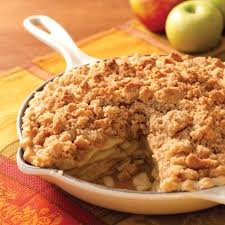
There’s something deeply homey and comforting about a warm slice of southern apple pie — its flaky, buttery crust, the sweet-spiced apples bubbling inside, and the aroma that fills the kitchen. Whether it’s for a cozy family dessert, a festive holiday table, or just a sweet treat to enjoy with a cup of tea, a properly made southern apple pie can bring smiles and that warm nostalgic feeling. Below is a detailed recipe and guide to help you create your own perfect southern apple pie from scratch.
There’s something deeply homey and comforting about a warm slice of southern apple pie — its flaky, buttery crust, the sweet-spiced apples bubbling inside, and the aroma that fills the kitchen. Whether it’s for a cozy family dessert, a festive holiday table, or just a sweet treat to enjoy with a cup of tea, a properly made southern apple pie can bring smiles and that warm nostalgic feeling. Below is a detailed recipe and guide to help you create your own perfect southern apple pie from scratch.
Ingredients You’ll Need
For the crust
- 2 ½ cups all-purpose flour
- 1 teaspoon salt
- 1 teaspoon sugar
- 2 sticks (about 1 cup) cold unsalted butter, cut into small cubes
- Ice-cold water (approx. ¼ to ½ cup, add gradually)
For the apple filling
- 6 to 8 apples — a mix of tart (like Granny Smith) and sweet (e.g. McIntosh) works best.
- 1 ¼ cups granulated sugar (or adjust as per taste)
- 3 tablespoons all-purpose flour (or as a thickener; some recipes use cornstarch instead)
- 1 tablespoon ground cinnamon
- 1 teaspoon ground nutmeg (optional, but adds depth)
- 2 tablespoons cold unsalted butter, sliced or cubed — dotted over the top before sealing crusts.
- For topping (optional): 1 large egg (lightly beaten) for egg-wash, and a sprinkle of cinnamon sugar over the crust for a slightly crunchy sweet finish.
Step-by-Step Instructions
1. Prepare the Pie Crust
- In a food processor (or by hand using a pastry cutter), combine flour, salt, and sugar. Add cold butter cubes and pulse until mixture resembles coarse crumbs.
- Gradually add ice-cold water (a tablespoon at a time) until the dough just comes together. Do not overwork. Overworking produces a tough crust.
- Divide the dough into two equal halves. Shape each into a disc, wrap in plastic wrap, and chill in refrigerator for at least 1 hour. (Chilling helps with a flakier crust.)
2. Prepare the Apple Filling
- Peel, core, and slice or “chip” the apples. Some bakers prefer thin slices, others prefer slightly chunkier chips for better texture.
- In a large bowl, toss the apple slices/chips with sugar, flour (or cornstarch), cinnamon, and nutmeg until evenly coated.
- Taste one slice — this is optional, but gives you a sense of whether you like the sweetness and spice balance before baking.
3. Assemble the Pie
- Preheat oven to 400 °F (approx. 205 °C).
- Roll out one chilled dough disc on a lightly floured surface into a circle large enough to line a 9-inch pie pan. Gently fit it into the pan and trim any excess hanging off the edges.
- Pour the apple mixture into the crust-lined pie pan, spreading evenly. Dot the top of the apple filling with the sliced/cubed cold butter.
- Roll out the second dough disc and place it over the filling. Trim overhang if needed, then crimp or pinch the edges to seal. Cut a few small slits (or a decorative pattern) in the top crust to allow steam to escape.
- Optional but recommended: Brush the top crust with beaten egg (egg-wash) and sprinkle a bit of cinnamon sugar. This gives a golden, slightly crisp, sweet top.
4. Bake the Pie
- Place the pie on a rimmed baking sheet (this helps catch any drips). Bake in preheated oven for about 15 minutes.
- After 15 minutes, reduce oven temperature to ~350 °F (approx. 175 °C). If the edges of crust are browning too quickly, you can cover them with foil or a pie shield. Continue baking for additional 30–35 (or up to 45) minutes — until the crust is a deep golden brown and the filling is bubbly and cooked through. Total baking time is usually around 50 minutes after initial 15 minutes.
- Once done, remove from oven and let the pie rest on a wire rack — allow at least 1–2 hours (longer is better) before slicing. This resting time helps the filling to set nicely instead of oozing out.
Tips & Variations for a Memorable Pie
- Mix Apples — A blend of tart and sweet apples (e.g. Granny Smith + McIntosh) gives a balanced flavor and texture: some apples will soften and create a saucy filling, others hold shape for nice bite.
- Don’t Overwork the Dough — Keep butter cold and handle the dough as little as possible. Overworking makes the crust tough instead of flaky.
- Use a Thickener — Flour or cornstarch helps draw excess moisture from the apples and prevents a soggy bottom or runny filling.
- Customize Spices — While cinnamon is classic, a small touch of nutmeg (and even a pinch of cloves or allspice) can deepen the flavor profile.
- Crust Options — If making crust from scratch seems daunting, you can use store-bought rolled crusts. It simplifies the process and still tastes good, especially if you focus on a great filling.
- Serve Warm with Ice Cream or Cream — A slice of slightly warm apple pie with a scoop of vanilla ice cream, whipped cream, or even a drizzle of caramel sauce makes the dessert even more indulgent and comforting. This is a classic southern-style way to enjoy it.
Why This Pie Works — The Science of Texture & Flavor
The magic of a good southern apple pie lies in the balance — a tender yet flaky crust, and a filling that’s sweet, warm, slightly saucy, but not soggy. Here’s how the recipe achieves that balance:
- The cold butter and ice water in the crust form tiny pockets of fat that melt during baking, creating steam — this makes the crust flaky and delicate rather than dense.
- Using a mix of apples ensures varied texture: tart apples hold shape under heat, while sweeter apples soften and release juices — the result is a filling that’s part saucy, part tender slices.
- The flour (or corn starch) in the filling acts as a thickener, absorbing excess liquid released by apples as they bake — this keeps the bottom crust from becoming soggy and ensures the filling thickens nicely as the pie cools.
- Finally, spices like cinnamon and nutmeg add warmth and depth — they complement the sweetness of the apples without overwhelming them.
Troubleshooting & Common Mistakes
Even with a good recipe, a few pitfalls can sabotage a pie — but they’re easy to avoid:
- Tough crust? — Most likely the dough was overworked or allowed the butter to soften too much. Always keep butter cold.
- Soggy bottom or watery filling? — Perhaps too many juicy apples, not enough thickener, or the pie didn’t bake long enough. Ensure you use a good thickener (flour or cornstarch) and bake until filling is bubbling and crust is golden, then let resting time for filling to set.
- Burnt crust edges with raw center? — That means the oven was too hot or the pie was not rotated/covered properly. Starting at a higher temperature and then reducing it usually helps: first 15 min at about 400 °F, then lower to ~350 °F; or use foil to protect crust edges.
- Under-seasoned filling? — A bland filling often means too little spice or sugar. Adjust cinnamon/nutmeg and sugar to your taste, but don’t overdo spices; apple flavor should still shine through.
Serving & Storing Your Pie
Once baked and cooled, your southern apple pie is best served at room temperature or slightly warm. A scoop of vanilla ice cream or a dollop of whipped cream can elevate the experience. The contrast between the warm, spiced apples and the cold cream or ice cream is part of what makes apple pie so timeless.
If you have leftovers: wrap the pie (once cooled) and keep it covered. For longer storage, you can refrigerate — but ideally, consume within 2–3 days to maintain crust crispness and flavor. Some bakers even freeze unbaked pie (or just filling) for future baking — just be sure to thaw and bake properly.
Final Thoughts
Making a southern apple pie from scratch is a rewarding endeavor. It’s the kind of dessert that doesn’t just satisfy hunger — it evokes warmth, nostalgia, and comfort. The process — from peeling apples, mixing spices, crimping crusts, to waiting for that golden-brown oven magic — feels like a small ritual rooted in family traditions.
With the recipe above, you’ll get a pie that’s flaky, buttery, sweet, spiced, rich, and deeply satisfying. It’s a dessert that works for holidays, family dinners, or quiet nights when you want something homey and heartfelt. So tie on an apron, gather your apples, and bake — your kitchen (and whoever shares that pie with you) will thank you.
