
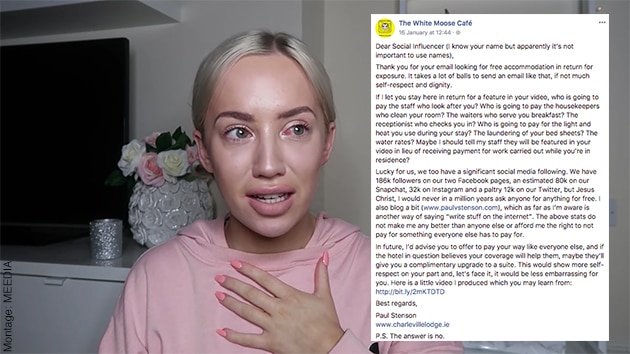
In the digital age, social media influencers have become some of the most powerful personalities in the world, commanding millions of followers and shaping trends, opinions, and even public behavior. Influencers can be positive forces who educate, uplift, entertain, and create communities. However, when things go wrong, their influence can become dangerous, damaging, and even harmful to individuals and society at large. This article explores the darker side of influencer culture — stories of when influencers go wrong, the reasons behind these behaviors, and why this trend is one of the most dangerous developments in modern digital life.
1. The Rise of Influencers and the Pressure to Stay Relevant
Influencers became prominent as social media platforms like Instagram, TikTok, YouTube, and others allowed ordinary people to reach global audiences. These individuals gained fame not through traditional media channels, but through videos, selfies, and personal branding that resonated with users worldwide. However, this new form of pop culture brought a huge downside: the constant pressure to stay relevant and visible. Algorithms reward engagement — likes, comments, shares — which pushes influencers to create increasingly sensational content. When normal content is no longer enough to get attention, some influencers resort to extreme, reckless, or controversial behavior that jeopardizes their safety and the wellbeing of their audiences.
2. Dangerous Stunts and Reckless Behavior for Views
One of the most alarming trends among influencers gone wrong is the pursuit of dangerous stunts purely for clicks. Some influencers climb high-rise buildings without safety gear to film selfies or videos, encouraging copycat behavior that can lead to injury or death. Others engage in wildlife cruelty by provoking dangerous animals to provoke reactions from followers. These moments may rake in millions of views, but they endanger lives — both the influencer’s and their followers’ — and normalize reckless behavior.
In addition to wildlife dangers, several influencers have performed stunts like attempting to walk on rooftops, play with hazardous substances, or engage in extreme sports without precautions. The thirst for virality has turned real-life danger into entertainment, blurring the line between bravery and stupidity.
3. Exploiting Tragedies and Insensitive Content
Another troubling aspect of influencers gone wrong is the exploitation of tragic events for self-promotion or profit. In some cases, influencers have used national or local tragedies to promote products, services, or personal projects, appearing insensitive or opportunistic. This behavior is not just tone-deaf; it exploits grief and suffering, turning empathy into content.
Even outside of major disasters, insensitive or culturally disrespectful content can go viral — such as posting inappropriate photos at sacred sites or making harmful social commentary that divides audiences and stirs outrage. These actions can damage communities, deepen cultural misunderstandings, and fuel conflicts, all for an algorithmic reward.
4. Misinformation and Harmful Advice
Influencers often build trust with their followers by presenting themselves as relatable, authentic, and trustworthy. Unfortunately, some use that trust to spread misinformation, especially about health and wellness. Promoting unverified medical advice, fad diets, or miracle products can have serious real-world consequences. Experts warn that when influencers without proper qualifications offer medical recommendations, they can mislead large audiences, erode trust in professionals, and contribute to physical or psychological harm.
This issue becomes even more dangerous when audiences act on incorrect health advice, potentially leading to unnecessary medical procedures, misuse of medications, or ignoring professional treatments.
5. Fraud, Scams, and Financial Exploitation
Some influencers go beyond poor advice and enter the realm of fraud and scams. There are instances where influencers have launched fake charity campaigns, misused funds raised in the name of good causes, or hyped questionable investment opportunities simply to profit from their follower base. These unethical actions not only rob people financially, but they also damage public trust in genuine charitable initiatives and harm the reputation of online communities.
Another facet of financial exploitation involves false product endorsements. Influencers may promote products without disclosing sponsorships or exaggerate claims to make sales, leaving followers disappointed and misled.
6. Toxic Public Behavior and Legal Trouble
Influencers sometimes believe that their popularity places them above social norms or even the law. There are many examples where individuals have acted entitled, rude, or disruptive in public spaces, causing disturbances or clashes with authorities. From staging fake robberies as pranks to refusing to comply with rules on airplanes, these antics often end in legal trouble, fines, or public backlash — but only after huge reputational damage has already occurred.
This sense of entitlement can also spill into online behavior. Influencers who lash out at followers, critics, or fellow creators may cause toxic online environments, eroding the quality of discourse and encouraging harassment or hostile interactions.
7. Ethical Violations and Accountability Issues
The influencer world is still relatively new, and many personalities have escaped accountability for harmful actions due to gaps in platform policies or enforcement. Some influencers accused of serious offenses continue to maintain their presence online, raising questions about how platforms handle misconduct and whether fame can shield individuals from consequences.
Society has seen cases where influencers faced scandals, temporary suspensions, or brand losses, only to bounce back because the platforms did not enforce long-term restrictions. This lack of accountability undermines the idea that influencers should be responsible digital citizens.
8. Psychological Impact and Burnout
Behind the sensational content and viral videos, many influencers struggle mentally. The pressure to constantly perform, build their brand, and maintain relevance can lead to burnout, anxiety, or emotional breakdowns. While some influencers choose to share these struggles to spark discussion around mental health, others experience public meltdowns that can harm both themselves and their followers, who may feel pressure to emulate seemingly “perfect” lives.
These public breakdowns highlight the human cost of chasing perfection online and the toll that constant scrutiny and comparison can take on individuals.
9. The Ripple Effect on Society
The impact of influencers gone wrong extends far beyond individual incidents. Young audiences, who are the most impressionable, may internalize harmful behaviors as aspirational. Dangerous stunts, misleading advice, and toxic behavior can normalize poor judgment, unethical decision-making, and unhealthy self-image. Society as a whole faces challenges in maintaining a healthy balance between digital freedom and accountability when popular figures misuse their influence.
10. Moving Toward Responsible Influence
While the negative consequences are significant, there is hope for a shift toward responsible influencing. Platforms are gradually improving oversight, fact-checking, and content moderation. Followers also play a role by critically evaluating the content they consume, reporting harmful behavior, and supporting positive creators. Encouraging ethical behavior and holding influencers accountable can transform the digital landscape into a safer, more inspiring environment.
Influencers gone wrong illustrate that the power of influence carries serious responsibility. In a world where digital reach equals authority, it is vital for both creators and audiences to recognize the consequences of unchecked influence. The trend may be dangerous, but awareness, education, and ethical standards can mitigate harm, ensuring that influence becomes a force for good rather than a threat.
