
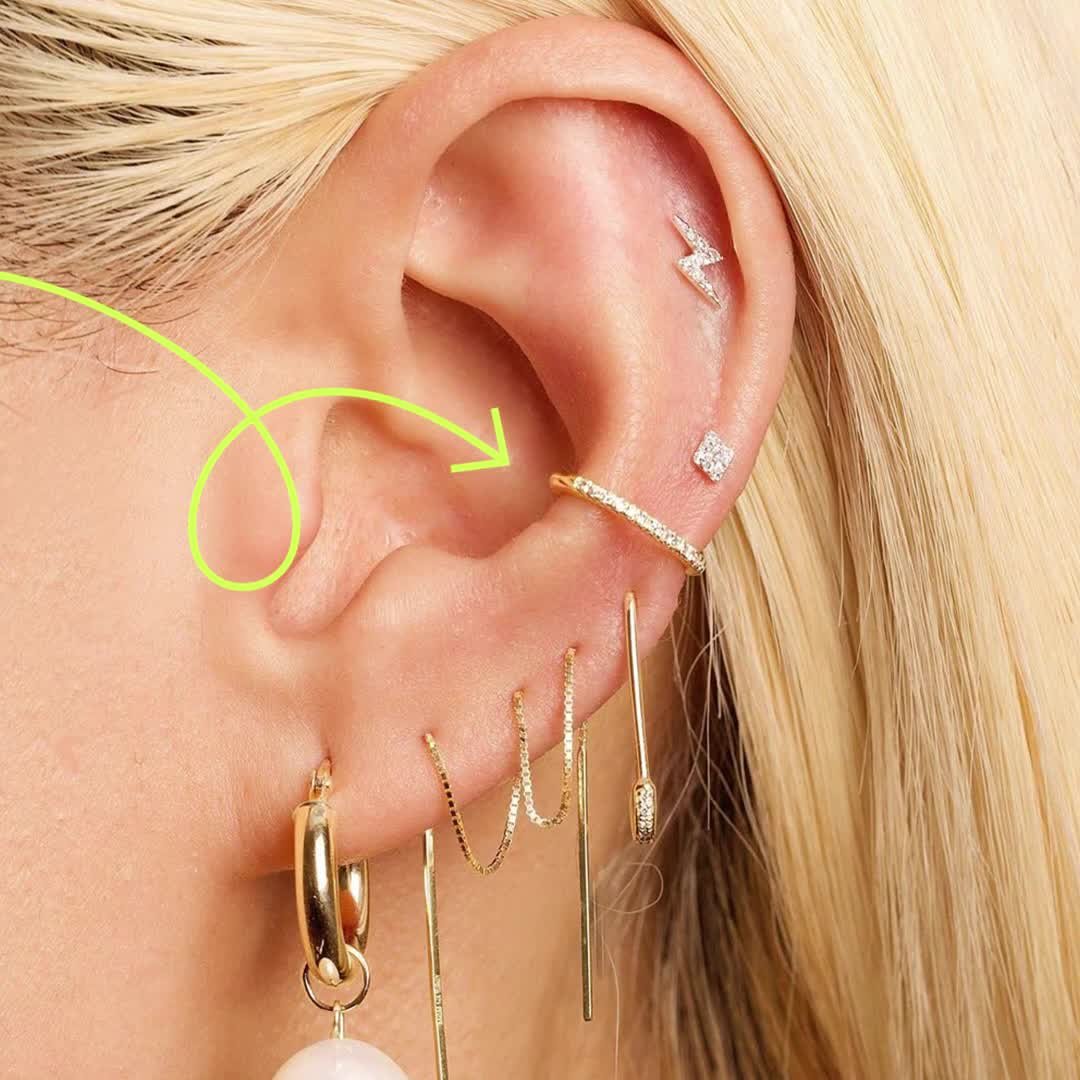
Conch piercings have become one of the most striking and talked-about ear modifications in modern body art. Loved for their bold appearance and versatility, yet feared for their pain level and healing time, conch piercings sit at the center of both admiration and criticism. This painful beauty trend is not for the faint-hearted, and understanding it fully is essential before making a decision that permanently alters your body.
What Are Conch Piercings?
Conch piercings are located in the central cartilage area of the ear, known as the concha. This area resembles a shell, which is where the name originates. There are two main types: inner conch piercings, placed in the center of the ear close to the ear canal, and outer conch piercings, positioned on the flat cartilage area between the helix and anti-helix.
Unlike soft tissue piercings such as the earlobe, conch piercings go through thick cartilage. This alone sets expectations for higher pain, longer healing, and greater responsibility during aftercare.
Why Conch Piercings Are So Popular
The popularity of conch piercings continues to rise, and it is not without reason. One of the biggest advantages is their visual impact. A single conch piercing can transform the entire ear aesthetic, especially when paired with hoops, studs, or layered jewelry styles.
Another reason conch piercings stand out is their versatility. They work well with minimalist jewelry or bold statement pieces. Whether someone prefers a clean, elegant look or a rebellious edge, conch piercings adapt effortlessly.
Fashion trends also play a role. Celebrities, influencers, and piercing enthusiasts frequently showcase conch piercings as a symbol of individuality and confidence. This visibility has helped normalize cartilage piercings and elevate them into mainstream culture.
The Pain Factor: An Honest Look
One of the most searched concerns about conch piercings is pain. There is no sugarcoating this: conch piercings are considered painful. Because the needle passes through thick cartilage, the sensation is often described as sharp pressure followed by intense discomfort.
Pain tolerance varies from person to person, but most people agree that conch piercings hurt more than standard ear piercings. The procedure itself is brief, yet the soreness afterward can last for days or even weeks. Sleeping on the pierced side, wearing headphones, or accidentally bumping the ear can be extremely uncomfortable during the early healing phase.
Healing Time and Commitment
Healing is where conch piercings truly test patience. On average, healing can take anywhere from six months to over a year. This extended healing period is due to limited blood flow in cartilage, which slows down the body’s natural recovery process.
During this time, consistent aftercare is essential. Swelling, redness, tenderness, and warmth around the piercing are common in the early stages. Even after the piercing appears healed on the surface, the internal tissue may still be recovering.
Skipping aftercare or changing jewelry too early can lead to setbacks, irritation, or prolonged healing. Conch piercings demand commitment, and those unwilling to follow a disciplined routine may struggle with complications.
Are Conch Piercings Dangerous?
The word “dangerous” often appears in discussions about conch piercings, and while that may sound alarming, context matters. Conch piercings are not inherently unsafe when performed by a professional under sterile conditions. However, they do carry higher risks compared to simpler piercings.
Because cartilage is less forgiving than soft tissue, improper technique or poor hygiene can lead to serious issues. Infections in cartilage can become severe if ignored, sometimes resulting in long-term damage or deformity of the ear. Swelling in this area can also be more intense and persistent.
Another concern is irritation bumps, which are common with cartilage piercings. These bumps can be stubborn and may take months to resolve if the piercing is subjected to friction or pressure.
Jewelry Choices Matter
Choosing the right jewelry is a critical part of the conch piercing experience. Initial jewelry should be high-quality and designed to accommodate swelling. Rings and flat-back studs are popular choices, but not all ears respond the same way.
Low-quality materials can trigger allergic reactions or irritation, significantly slowing healing. Heavy or tight jewelry can cause unnecessary pressure on the piercing, leading to pain and inflammation. For long-term comfort, jewelry should match both the anatomy of the ear and the individual’s lifestyle.
Once healed, conch piercings offer a wide range of styling possibilities. Hoops that wrap around the ear are especially popular, creating a dramatic yet elegant look.
Lifestyle Considerations
Before committing to conch piercings, it is important to consider daily habits. Activities such as wearing helmets, using over-ear headphones, or sleeping on one side can interfere with healing. People with active lifestyles may find the healing period frustrating.
Workplace policies should also be considered. Although conch piercings are more accepted today, not all environments welcome visible body modifications. Removing jewelry during healing is not recommended, so this factor should be addressed beforehand.
Long-Term Satisfaction
Despite the pain and challenges, many people report high satisfaction with their conch piercings. Once healed, they become a seamless part of personal style and self-expression. The initial discomfort often fades from memory, replaced by confidence and pride.
Conch piercings also tend to age well. Unlike trend-based modifications, they maintain their appeal over time. With proper care, they can last a lifetime without issues.
Final Thoughts on Conch Piercings
Conch piercings are a bold and beautiful form of self-expression, but they come with real responsibilities. The pain, healing time, and potential risks make them a serious decision rather than a spontaneous one. Understanding both the positive and negative aspects allows individuals to approach conch piercings with realistic expectations.
For those willing to endure the discomfort and commit to proper care, conch piercings can be an incredibly rewarding experience. They are not just a fashion statement but a testament to patience, resilience, and personal style.
