
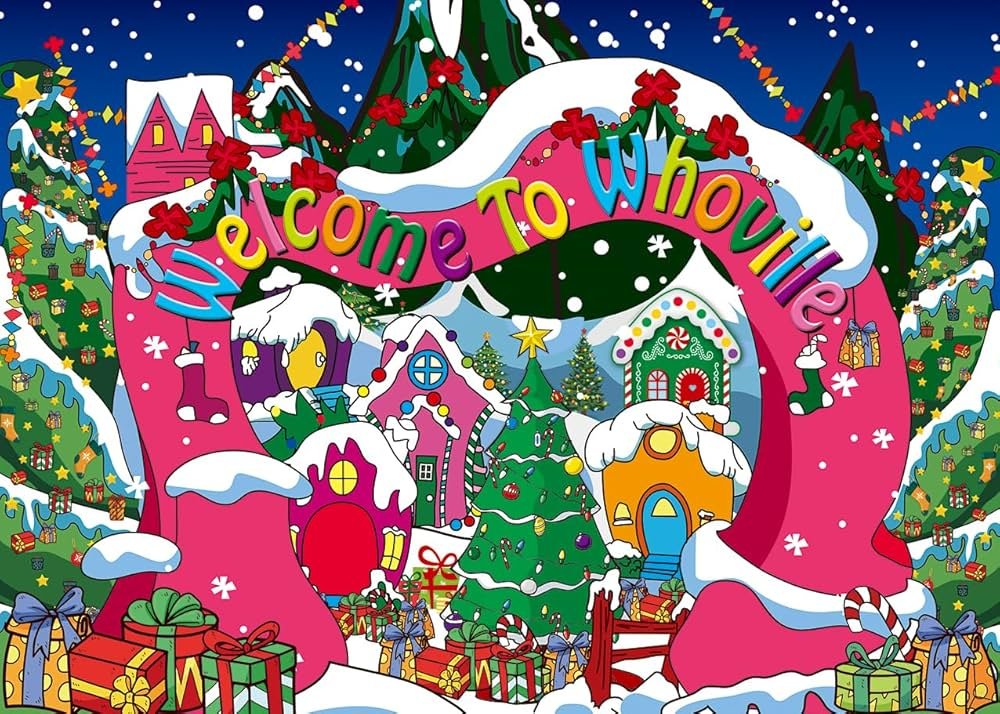
Whoville has long been portrayed in popular culture as a whimsical and charming town, full of holiday cheer, quirky citizens, and fantastical stories. Yet beneath the layers of bright decorations and cheerful songs lies a more complex picture that can make one wonder: is Whoville really as safe as it seems, or could it hide unseen dangers? While most imagine Whoville as a paradise of kindness and community, a closer look reveals elements that might challenge that perception.
The Charm of Whoville
At first glance, Whoville is enchanting. Nestled in a world that seems both fantastical and inviting, the town captures the imagination of readers and viewers alike. Its residents, known as the Whos, are small, cheerful creatures with big hearts, unique fashion, and an enduring sense of togetherness. Their architecture reflects this same joyful nature, with whimsical houses, winding streets, and decorations that spark creativity and wonder.
Whoville has been celebrated as an emblem of joy, generosity, and the magic of community. The town embodies themes of inclusivity and holiday spirit, drawing audiences into a story that feels comforting and safe. It’s easy to see why families and fans of fantasy gravitate toward this town — it promises warmth, laughter, and a strong moral compass.
The Hidden Dangers
However, beneath the glittering exterior, there are elements that suggest Whoville is not entirely risk-free. The town’s famous story involving the Grinch, who attempted to steal Christmas, highlights an important vulnerability: Whoville’s overreliance on external safety and goodwill. The fact that one individual could disrupt the entire town’s celebrations demonstrates that Whoville’s defenses, both physical and societal, are surprisingly weak.
This vulnerability may serve as a metaphor for larger social dynamics. Whoville residents live in a bubble of comfort and optimism, which makes them less prepared for unexpected threats. In essence, their unwavering trust in everyone around them can be exploited. The Grinch’s infiltration illustrates that even the most joyful places can be targets for mischief or harm if proper vigilance is ignored.
Psychological Risks of Overidealization
There is also a psychological dimension to consider. Whoville, as depicted in media, encourages a belief that happiness is constant and problems are temporary or easily fixed. While this optimism is appealing, it may set unrealistic expectations. For those who immerse themselves too deeply in the fantasy of Whoville, the real world may feel harsh and unsafe in comparison. This disparity between fantasy and reality can create stress, anxiety, or disappointment when life does not mirror the cheerful and orderly patterns of Whoville.
Moreover, the town’s emphasis on conformity and communal celebration may subtly pressure residents or visitors to adhere to collective ideals. Individual dissent or uniqueness could be discouraged, creating a social environment where nonconformity feels risky. In a real-world analogy, this mirrors communities that outwardly appear harmonious but internally may limit personal freedom or expression.
Lessons From Whoville’s Challenges
Despite these potential dangers, Whoville also provides valuable lessons. The story of the Grinch ultimately ends positively: through empathy, community, and understanding, the town resolves its conflict. This highlights a key truth — challenges, when approached collectively, can be overcome. Whoville teaches the importance of resilience, problem-solving, and the power of social cohesion.
Whoville also encourages vigilance in a subtle way. Its residents may seem naïve at times, but the consequences of underestimating potential threats are clear. These narratives act as cautionary tales, reminding audiences that no community, no matter how cheerful or seemingly perfect, is immune to disruption.
The Balance of Danger and Safety
One of the most interesting aspects of Whoville is the balance between its safety and the underlying dangers. On the surface, it is a safe haven, but beneath lies the reality that no place is completely protected. This duality makes Whoville a compelling study in human (or Who) behavior. It shows that while joy and community are powerful, they must be paired with awareness and preparedness.
In many ways, Whoville mirrors real-life communities. Towns and cities may appear peaceful and idyllic, but vulnerabilities exist — economic instability, crime, natural disasters, or social tension can all disrupt even the most harmonious environments. Whoville’s charm and its hidden dangers provide a symbolic lens for examining how societies navigate safety, trust, and resilience.
Why Whoville Captivates Audiences
Despite its potential dangers, Whoville remains beloved because it represents hope and the possibility of overcoming challenges. The town’s ability to blend danger with charm allows for stories that are both thrilling and comforting. Audiences are drawn to Whoville because it reflects real life: a mixture of joy and risk, certainty and unpredictability.
The narrative dynamics of Whoville also make it a powerful tool for teaching moral lessons. Through its stories, audiences learn about empathy, courage, and the consequences of unchecked actions. The Grinch’s transformation, in particular, underscores the idea that change and redemption are possible, even for those who initially pose a threat. This duality between risk and reward enriches the story and keeps Whoville relevant across generations.
Modern Interpretations
In modern adaptations, Whoville continues to evolve. Films, books, and performances often highlight both its charm and its underlying vulnerabilities. This evolution allows new audiences to engage with Whoville in meaningful ways, considering questions about community, responsibility, and personal integrity.
By exploring both positive and negative aspects of Whoville, creators encourage critical thinking about the nature of safety, trust, and societal expectations. Whoville becomes more than a whimsical town; it transforms into a mirror for our own experiences, reflecting how humans balance optimism with caution, and joy with vigilance.
Conclusion
Whoville is more than just a festive, cheerful town — it is a layered, complex community with lessons hidden beneath its bright façade. While it embodies positivity, warmth, and the joy of togetherness, it also presents subtle warnings about trust, vulnerability, and the risks of idealization. Its stories remind us that even the happiest places may have dangers lurking underneath, yet they also teach resilience, empathy, and the power of community.
In the end, Whoville captivates us precisely because it is not perfect. Its mixture of charm and danger makes it relatable, thought-provoking, and enduring. Whether you view Whoville through the lens of caution or celebration, it stands as a testament to the delicate balance between joy and vigilance — a reminder that even in the most magical of places, awareness and empathy are always essential.
