
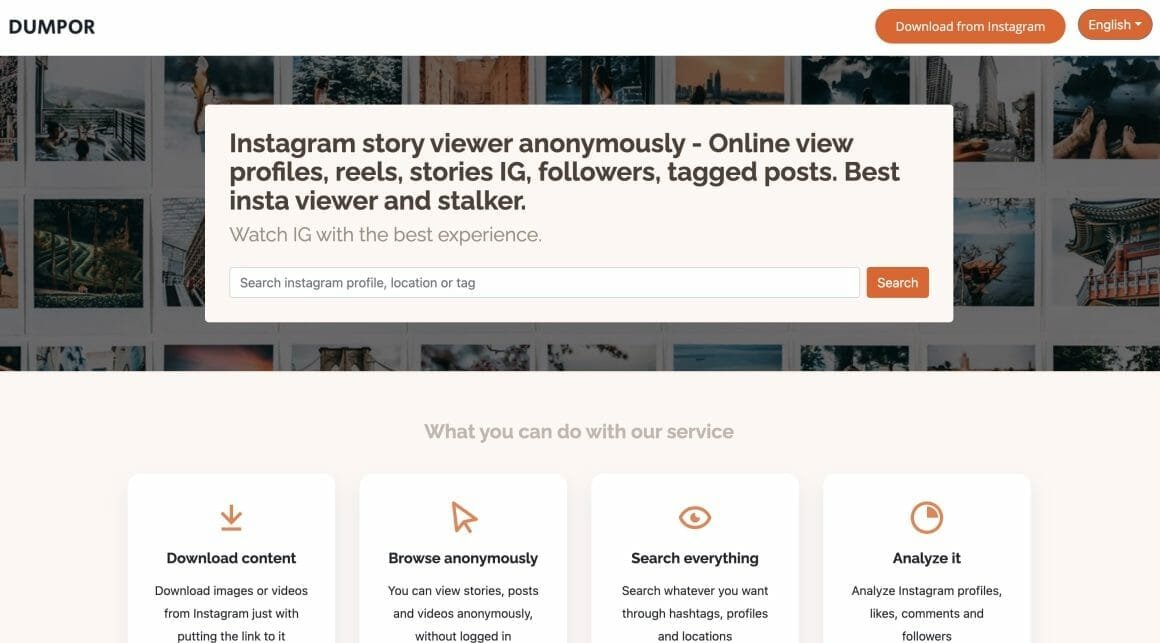
In the rapidly evolving landscape of social media, third-party tools and applications often emerge promising convenience, shortcuts, or unique features. One such tool that has recently attracted attention is Imginn. While it may seem appealing at first glance, there are numerous risks associated with its use that every user should understand before engaging with it. In this article, we explore why Imginn can be dangerous, the potential consequences of using it, and safer alternatives for managing your online activity.
What Is Imginn?
Imginn is a third-party platform that claims to allow users to access, view, and download social media content without logging into the original service. Its primary appeal is the ability to view content anonymously or retrieve data that might otherwise be restricted. For some, this sounds like a convenient way to bypass privacy settings or enjoy content without exposure. However, the reality is far more complex—and risky.
Why Imginn Might Seem Attractive
At first glance, Imginn offers several features that can seem enticing:
- Anonymity – Users are promised the ability to browse social media profiles without revealing their identity.
- Ease of Access – The platform often touts a simplified user experience compared to official social media apps or websites.
- Content Availability – Imginn suggests that users can access media that might not be readily available, like posts from private accounts or deleted content.
These features can give a false sense of security or empowerment. Many users are drawn to tools that allow them to circumvent normal restrictions, assuming they are harmless. Unfortunately, this perception is misleading and can lead to serious consequences.
The Hidden Risks of Using Imginn
Despite its appeal, Imginn is associated with several significant dangers:
1. Privacy Violations
One of the most pressing risks of using Imginn is the potential violation of privacy—both your own and that of others. By attempting to access private content without authorization, users may inadvertently breach legal or ethical boundaries. This not only puts your personal data at risk but can also make you liable under certain laws depending on your jurisdiction.
2. Data Security Concerns
Third-party applications like Imginn often operate without strict security protocols. When you enter personal information or attempt to interact with content through such platforms, there is a real chance your data could be intercepted, stored, or misused. This includes sensitive information like email addresses, passwords, and browsing habits. Hackers can exploit vulnerabilities in these tools to gain unauthorized access to your accounts.
3. Malware and Phishing Threats
Some third-party tools are breeding grounds for malware or phishing attempts. Downloading media through Imginn or interacting with its interface may inadvertently expose your device to harmful software. Malware can steal sensitive information, damage files, or compromise your device’s overall functionality. Similarly, phishing attempts disguised as Imginn features can trick users into revealing login credentials.
4. Legal and Ethical Implications
Using tools to bypass social media privacy settings or download content without permission may violate terms of service or local regulations. While Imginn does not directly host social media content, the act of circumventing restrictions may still place users in a legal gray area. Additionally, ethical considerations come into play—respecting the privacy and intellectual property of others is fundamental to responsible online behavior.
5. False Sense of Security
Perhaps one of the most underestimated dangers of Imginn is the illusion of safety. Users may believe that browsing anonymously protects them entirely, but these platforms often track usage data, IP addresses, or other metadata. In reality, “anonymous” usage is rarely fully anonymous. This false sense of security can lead users to take risks they would otherwise avoid.
Real-World Consequences of Imginn Use
The dangers of Imginn are not purely theoretical. Several real-world scenarios highlight the potential consequences:
- Account Compromise: Users who share login credentials or interact with unsafe links risk having their social media accounts hacked or hijacked.
- Personal Information Leaks: Malware or unsecure data collection may result in the exposure of private information to third parties.
- Legal Issues: In some regions, unauthorized access to online accounts or private content may lead to fines or legal action.
- Damage to Reputation: Engaging in unauthorized content viewing can harm your online credibility if discovered, particularly in professional or social contexts.
These examples emphasize that even casual use of Imginn can lead to long-term repercussions. Understanding the risks is crucial for anyone considering engagement with such platforms.
Safer Alternatives to Imginn
For those seeking convenience, privacy, or content access, there are safer, legitimate alternatives:
- Official Privacy Settings – Social media platforms offer built-in tools for controlling visibility and content access. Learning to use these settings effectively can achieve many of the same goals without the risks.
- Content Downloading Tools – Some platforms provide official methods to save content for offline viewing. Always ensure these methods comply with the terms of service.
- Anonymous Browsing Options – Using browser-based incognito or privacy modes can offer limited anonymity without relying on unverified third-party tools.
- Educational and Research Access – If content is required for research or educational purposes, consider official permissions or licenses rather than circumventing privacy.
By prioritizing official tools and ethical approaches, users can enjoy social media content safely while minimizing exposure to potential threats.
Final Thoughts
While Imginn may initially appear to be a convenient and appealing tool, the risks far outweigh the benefits. From privacy violations and security threats to potential legal repercussions, using such platforms is a gamble with potentially serious consequences. Users are encouraged to think critically before engaging with unverified third-party tools and to prioritize safety and ethical behavior online.
In the digital age, convenience should never come at the cost of security or integrity. Understanding the hidden dangers of Imginn is not about discouraging curiosity—it is about equipping users with knowledge to make informed decisions. By staying cautious and using legitimate methods, social media engagement can remain both enjoyable and safe.
