
Shallots are often overlooked in the culinary world, yet these small, flavorful bulbs are a powerhouse of taste and nutrition. Whether you’re a seasoned chef or a home cook, understanding how to use shallots can elevate your dishes to a new level. In this comprehensive guide, we’ll explore everything you need to know about shallots – from their history and health benefits to cooking techniques and storage tips.
What Are Shallots?
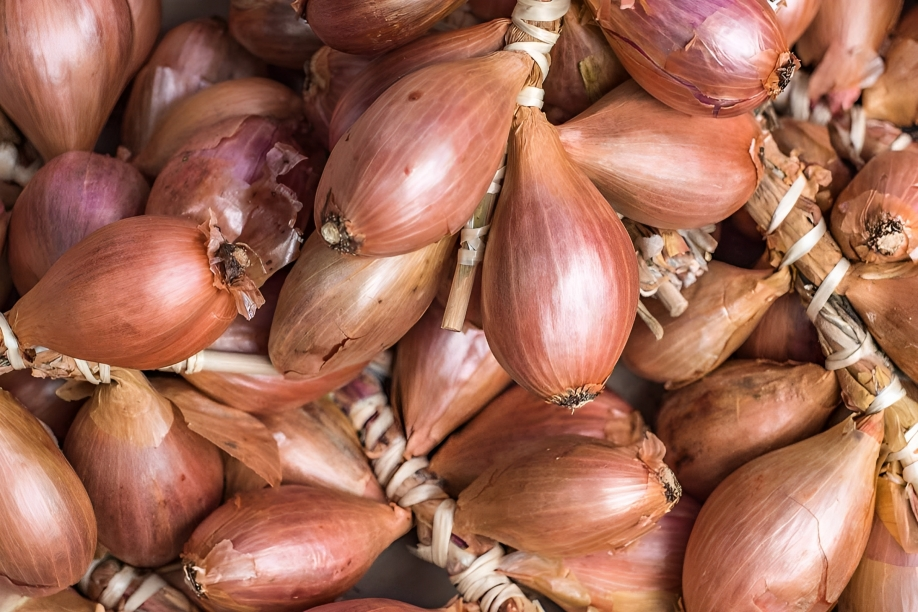
Shallots are a type of onion, closely related to garlic and onions, but with a milder, sweeter flavor. They have a distinct taste that combines the sharpness of onions with the subtle sweetness of garlic. Unlike regular onions, shallots grow in clusters, similar to garlic cloves, and have a thin, papery skin that ranges in color from golden brown to reddish-purple.
Shallots are commonly used in French and Southeast Asian cuisines, but they are gaining popularity worldwide for their ability to enhance flavors without overpowering dishes. Their delicate taste makes them perfect for dressings, sauces, and sautés.
History of Shallots
Shallots have a long and storied history. Believed to have originated in Central or Southwest Asia, they have been cultivated for thousands of years. Ancient Egyptians valued shallots for their medicinal properties, while the French elevated them as a culinary staple in classic recipes. Today, shallots are grown in many countries, including the United States, France, Indonesia, and Thailand.
Nutritional Value of Shallots
Shallots are not just flavorful; they are highly nutritious. They are low in calories but rich in essential vitamins, minerals, and antioxidants. Here’s a breakdown of their nutritional benefits:
- Vitamins: Rich in vitamin A, B6, C, and folate.
- Minerals: Contain potassium, manganese, iron, and calcium.
- Antioxidants: High in flavonoids and polyphenols, which help reduce inflammation.
- Fiber: Promotes digestive health and helps maintain a healthy gut.
With such a nutrient profile, shallots are not only a culinary delight but also a healthy addition to your diet.
Health Benefits of Shallots
Incorporating shallots into your meals can have a range of health benefits:
1. Boost Immunity
Shallots are rich in antioxidants like quercetin and kaempferol, which strengthen the immune system and help fight infections.
2. Promote Heart Health
The sulfur compounds in shallots can help lower blood pressure and reduce cholesterol levels, contributing to a healthier heart.
3. Support Digestive Health
Shallots contain dietary fiber that aids digestion, prevents constipation, and promotes a healthy gut microbiome.
4. Anti-Inflammatory Properties
Shallots have natural anti-inflammatory compounds that can reduce inflammation in the body, potentially lowering the risk of chronic diseases.
5. May Help Control Blood Sugar
Certain compounds in shallots have been shown to improve insulin sensitivity and help regulate blood sugar levels.
Culinary Uses of Shallots
Shallots are incredibly versatile in the kitchen. Their delicate flavor makes them suitable for both raw and cooked dishes.
1. Raw in Dressings and Salads
Finely minced shallots add a subtle punch to salad dressings, vinaigrettes, and salsas. They pair well with olive oil, lemon juice, and fresh herbs.
2. Sautéed or Caramelized
Sautéed shallots release their natural sweetness, making them perfect for topping meats, vegetables, or pasta dishes.
3. In Sauces and Gravies
Shallots are a staple in French cooking for sauces like béarnaise and red wine reduction. They add depth and complexity without overpowering the sauce.
4. Pickled Shallots
Pickling shallots is a popular method to preserve their flavor. Pickled shallots add tanginess and crunch to sandwiches, tacos, and burgers.
5. Roasted or Grilled
Whole shallots can be roasted or grilled alongside other vegetables to bring out their natural sweetness and earthy flavor.
How to Select and Store Shallots
Choosing the right shallots is key to maximizing their flavor:
- Selection Tips: Look for firm, unblemished bulbs with dry, papery skin. Avoid soft or sprouting shallots.
- Storage Tips: Store shallots in a cool, dark, and dry place. They can last several weeks if stored properly. Avoid refrigeration unless they are peeled or chopped, as moisture can cause spoilage.
How to Prepare Shallots
Proper preparation enhances their flavor and reduces bitterness:
- Peeling: Remove the outer papery skin.
- Slicing: For sautéing, slice thinly. For sauces, mince finely.
- Blanching (Optional): Blanching can mellow the sharpness for raw applications like salads.
Common Shallot Varieties
There are several varieties of shallots, each with unique characteristics:
- French Shallots: Small, elongated bulbs with a mild, sweet flavor.
- Red Shallots: Reddish-purple skin, slightly sharper taste, commonly used in Southeast Asian dishes.
- Banana Shallots: Larger bulbs with a mild, sweet taste, perfect for roasting.
Shallots vs. Onions: What’s the Difference?
While shallots and onions belong to the same family, they have distinct differences:
| Feature | Shallots | Onions |
|---|---|---|
| Flavor | Milder, sweeter | Stronger, pungent |
| Texture | Delicate, fine | Coarse, crunchy |
| Cooking Use | Sauces, dressings, raw dishes | Soups, stews, stir-fries |
| Growth | Clustered like garlic | Single bulb |
Shallots are ideal for dishes requiring a subtle, nuanced flavor.
Tips for Cooking with Shallots
- Avoid Overcooking: Shallots burn quickly due to their sugar content. Cook on low to medium heat.
- Pairing: Shallots pair well with garlic, thyme, butter, cream, and soy sauce.
- Flavor Enhancement: Deglaze the pan with wine or stock after sautéing shallots for added depth.
Popular Recipes with Shallots
- Shallot Vinaigrette: A classic salad dressing using finely minced shallots, olive oil, vinegar, and Dijon mustard.
- Caramelized Shallot Tart: Sweet, savory tart with buttery shallots and puff pastry.
- Thai Shallot Relish: Pickled shallots with chili, sugar, and lime juice, perfect for grilled meats.
- French Onion Soup with Shallots: A twist on the classic, using shallots for a sweeter, richer flavor.
- Roasted Shallot Pasta: Sautéed shallots tossed with pasta, garlic, and Parmesan cheese.
Growing Shallots at Home
Shallots are relatively easy to grow in a home garden:
- Planting: Plant cloves in well-drained soil with full sun.
- Spacing: Space cloves 4–6 inches apart.
- Watering: Keep soil consistently moist but not waterlogged.
- Harvesting: Shallots are ready to harvest when the tops begin to yellow and fall over.
Conclusion
Shallots are a small but mighty ingredient that can transform ordinary dishes into extraordinary culinary experiences. Their unique flavor, health benefits, and versatility make them a kitchen essential. From raw dressings to gourmet sauces, understanding how to select, prepare, and cook shallots can elevate your meals while adding a nutritious boost. Whether you’re a professional chef or a home cook, incorporating shallots into your culinary repertoire is a delicious and healthy choice.
