
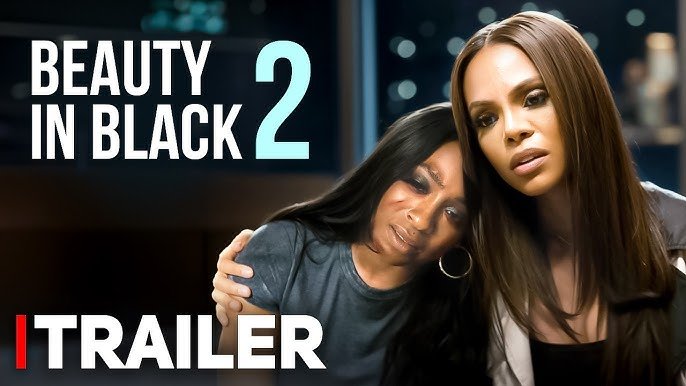
Beauty in Black arrived with intensity, sharp dialogue, and an unapologetic look at power, identity, and survival. Its first season carved out a space where ambition clashes with morality, and where personal choices ripple into dangerous consequences. As conversations continue around Beauty in Black Season 2, interest is less about simple continuation and more about whether the story can deepen its emotional impact while expanding its world in a meaningful way.
This article explores the narrative foundation laid in the first season, the thematic threads that remain unresolved, and the realistic directions a second season could take—without speculation that overpromises or misleads. Instead, the focus is on story logic, character growth, and the dramatic questions that still demand answers.
The Foundation Built in Season One
At its core, Beauty in Black is not just a drama about success or downfall. It is about visibility—who gets seen, who is silenced, and who controls the narrative. Season one introduced viewers to characters operating in morally gray spaces, where survival often requires compromise.
The writing leaned heavily into contrast:
- Wealth versus vulnerability
- Public image versus private pain
- Loyalty versus self-preservation
Rather than presenting heroes and villains in simple terms, the story asked viewers to sit with discomfort. Characters made decisions that were understandable, yet troubling. That tension is precisely what made the series compelling and what sets the stage for a potentially powerful second season.
Why Season Two Matters Narratively
A second season is not just an extension; it is a test. Season one raised questions that cannot be resolved through ambiguity alone. If the story continues, it must confront the consequences it has already foreshadowed.
Season two matters because:
- Power structures introduced earlier demand confrontation
- Character arcs require resolution or meaningful transformation
- The social themes deserve deeper exploration, not repetition
Without these elements, continuation would feel hollow. With them, season two could elevate the series from provocative to unforgettable.
Character Arcs That Demand Continuation
1. The Cost of Ambition
Several characters ended season one standing at emotional crossroads. Ambition drove them forward, but not without loss. Season two has the opportunity to explore what happens after the goal is reached—or missed.
Does ambition bring freedom, or does it create a new kind of cage? A continuation would need to show how success reshapes identity and relationships, especially when that success was earned through sacrifice.
2. Power and Accountability
One of the strongest undercurrents in the series is the idea that power often goes unchallenged. Season two could shift this balance by forcing powerful figures to confront accountability, whether through legal pressure, public exposure, or personal collapse.
This does not require dramatic spectacle. Sometimes the most devastating consequences are quiet: isolation, paranoia, and the slow erosion of trust.
3. Identity Under Pressure
Season one explored identity as something fragile and negotiated daily. Season two could push this further by asking whether identity can survive prolonged pressure—or whether it must be reinvented.
This theme resonates because it reflects real-world struggles. People change when circumstances demand it, but change always comes with a cost.
Themes That Could Deepen in Season Two
Truth Versus Image
If season one asked who controls the image, season two could ask what happens when the truth refuses to stay hidden. The collision between public persona and private reality is fertile ground for drama.
Rather than relying on shock, a stronger approach would be slow revelation:
- Secrets unraveling through small mistakes
- Lies collapsing under their own weight
- Characters forced to choose honesty or destruction
Loyalty in a Fractured World
Loyalty was tested repeatedly in the first season, often breaking under pressure. A second season could explore whether loyalty can be rebuilt—or whether betrayal permanently alters relationships.
This theme works best when loyalty is not portrayed as inherently good, but as complicated. Blind loyalty can be just as dangerous as betrayal.
Survival Versus Integrity
Perhaps the most important theme to carry forward is the tension between survival and integrity. When survival is at stake, morality becomes flexible. Season two could challenge characters by removing easy choices, forcing them to decide what they are willing to lose to stay alive—emotionally, socially, or spiritually.
Risks a Second Season Must Avoid
A strong continuation must also avoid common pitfalls:
- Repetition: Replaying the same conflicts without evolution weakens impact
- Over-sensationalism: Shock without substance undermines credibility
- Character stagnation: Growth, even negative growth, is essential
The danger is not in telling bold stories, but in mistaking intensity for depth. Season two must earn its moments rather than rely on escalation alone.
The Emotional Weight of Consequences
One of the most promising directions for season two lies in consequence-driven storytelling. Instead of introducing entirely new conflicts, the narrative could mine existing decisions for their long-term effects.
Consequences could appear as:
- Relationships that cannot be repaired
- Opportunities that arrive too late
- Victories that feel empty
This approach respects the audience’s investment and rewards close attention.
Why the Audience Remains Invested
Interest in Beauty in Black Season 2 persists because the story touched something real. It did not offer comfort or clear moral answers. Instead, it reflected the complexity of modern power dynamics and personal survival.
Viewers are not just asking what happens next, but what does it mean. That question is the mark of a story worth continuing.
Final Thoughts: Potential, Not Promise
Season two of Beauty in Black carries significant potential—but potential must be handled with care. The strongest continuation would not aim to be louder or darker, but truer. Truer to the characters, truer to the themes, and truer to the emotional realities the series has already introduced.
