
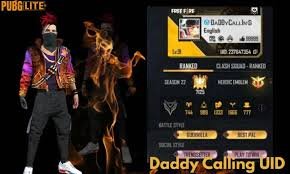
In the dynamic world of online gaming and digital communities, certain words and phrases carry more than their literal meaning. One such phrase that has surfaced repeatedly across games, forums, and social circles is “Daddy Calling UID.” At first glance, it might seem like a random jumble of words — but under the surface lies a blend of gaming culture, identity mechanics, fandom, and social dynamics. In this article, we’ll unpack what “Daddy Calling UID” really means, explore how it’s used, and reflect on what it tells us about modern digital identity and community.
What Is a “UID”?
Before delving into “Daddy Calling UID,” it’s important to understand the building block of the phrase: the UID. In gaming and many digital platforms, a UID — or Unique Identifier — is a distinct string (often numeric) assigned to each user or account. Unlike usernames, which can change or be duplicated, a UID stays fixed. It acts like a digital fingerprint, making each account uniquely identifiable. This allows systems to reliably track players, handle friend requests, record stats, or verify account ownership — irrespective of name changes or cosmetic modifications.
In short: a UID ensures that your identity in a game or app remains unique and immutable. It’s the backbone of in-game identity management.
Who (or What) Is “Daddy Calling”?
So what about “Daddy Calling”? In many cases, this refers to a popular gamer or content creator — especially within communities around certain mobile games. For instance, there’s a player known under the alias Daddy Calling whose profile and gameplay are well-known to many.
This gamer’s UID is often sought after by fans and other players who want to view his stats, spectate his gameplay, add him as a friend, or just verify that they’re following the real account.
Because he has built a reputation — through skillful play, content creation, and a following — “Daddy Calling” becomes more than a nickname: it becomes a brand or an identity recognized across the gaming community.
What Does “Daddy Calling UID” Mean in Context?
When people search “Daddy Calling UID,” they’re usually looking for one of the following:
- The unique identifier for the player “Daddy Calling,” so they can confirm they’ve found the real account and not a fake or alias.
- Access to his game statistics, match history, achievements, or current rank — information that could be useful for fans, competitors, or collaborators.
- The ability to add him in-game (as a friend or teammate), spectate his games, or participate in matches he hosts.
In short, “Daddy Calling UID” is less of a phrase and more of a keyword or search tag: a way to locate the verified, unique in-game identity of a known player.
Why the Odd Combination: “Daddy Calling” + “UID”?
At first, pairing a playful or informal name like “Daddy Calling” with a dry technical term like “UID” might seem strange. But this mash-up reflects the blending of personal identity, branding, and the technical infrastructure behind online gaming.
- Personal identity meets digital identity: Players often adopt nicknames or aliases that reflect personality, attitude, or style. Those aliases — like “Daddy Calling” — create a public persona. But on the backend, the UID is what anchors that persona to a unique account. The combination ensures both flair and authenticity.
- Branding and visibility: For content creators — especially those with many followers — making their UID publicly known helps fans find and follow them easily. “Daddy Calling UID” becomes a sort of tagline: know my name, know my UID, find me online.
- Community signals: Using “daddy” or similar terms often carries a sense of dominance, leadership, or authority in gaming slang. When a player named “Daddy” is good at carrying games (helping less-skilled teammates win), the term becomes ironically fitting. Thus “Daddy Calling UID” signals: here’s a skilled player, this is his real ID, go connect if you want a boost. Indeed, some analyses suggest that “Daddy” in this context refers to a skilled “carry” — someone who helps weaker players win.
Thus, the phrase is not random: it captures both social meaning (alias, status) and technical function (unique ID).
The Gaming Culture Behind “Daddy Calling UID”
The popularity of the phrase — especially in mobile gaming hubs and South Asian gaming communities — reflects broader trends in how players interact with games and each other. Some key cultural dynamics:
✅ Validation & Authenticity
Because many players might try to imitate popular gamers, a UID gives fans a definitive way to verify authenticity. “Daddy Calling UID” helps separate the real account from copycats or impostors.
🤝 Community & Connectivity
Sharing UIDs allows players to add each other, team up, spectate games, or just follow popular players. For someone new or eager to improve, getting connected to a skilled player like “Daddy Calling” might open doors to mentorship, better matches, or social interaction. Some players view it as a form of “carrying” — where the strong help the weak win.
👑 Reputation and Status
In many gaming circles, having your name or UID known widely — especially connected to a high-skill player — signifies status. “Daddy Calling UID” then becomes a badge: either you follow the big player, or you want to be recognized yourself.
🎥 Content + Gaming Hybrid
With streaming platforms, social media, and content creation becoming integral to gaming culture, a name like “Daddy Calling” can transcend the game. Sharing the UID invites fans to both play and watch, enabling a hybrid of gaming and entertainment.
Criticism, Risks, and Ethical Questions
As with many trends rooted in anonymity and online identity, “Daddy Calling UID” also raises some concerns:
- Pressure on new players: For newer or less skilled players, there can be pressure to join with a “Daddy” just to win, potentially discouraging natural learning or teamwork. Some critics argue that carrying erodes fairness, especially in ranked or competitive modes.
- Possible exploitation: Given the popularity of “carry”-style matches, some players (or impostors) may place unrealistic expectations on newer players: for example, expecting donations, payment, or other returns — especially if “Daddy Calling” becomes a brand or influencer.
- Loss of genuine community: Relying on high-skill players to carry beginners may reduce the incentive for teammates to cooperate, learn, or strategize — undermining authentic teamwork.
- Identity & impersonation problems: Even with a UID, there’s room for impostors or fake accounts claiming to be the real “Daddy Calling.” For that reason, blindly trusting UIDs shared on random forums or social media can be risky.
The Broader Significance: What “Daddy Calling UID” Tells Us About Digital Identity
The emergence of “Daddy Calling UID” as a popular search phrase or meme-like tag is not just about gaming. It’s a manifestation of a larger shift in how people perceive identity, community, and status in the digital era:
- Hybrid identity: Users no longer just have one identity. There’s the public persona — nickname, alias, brand — and the technical identifier — UID, account number, backend ID. “Daddy Calling UID” bridges both.
- Commodification of skill and personality: Skilled players are not only participants — they become influencers, entertainers, or even social anchors. Their UID is the gateway to both gameplay and content.
- Gamified social dynamics: Gaming isn’t just competition; it’s socialization, mentorship, and community building. Requests like “Daddy Calling UID” reflect trust, admiration, and a desire to belong or learn.
- Verification in the age of fakes: As social media and gaming expand, impersonation becomes easy. UIDs represent a concrete tool for verification — a digital proof of identity and reputation.
So: What Should You Know (or Do) if You See “Daddy Calling UID”?
If you ever come across “Daddy Calling UID” — whether searching for it, seeing it in a bio, or receiving it from someone — here are a few practical guidelines:
- Treat the UID as the real identifier: In gaming, the UID matters more than a username. If you’re trying to find the real “Daddy Calling,” rely on the UID, not just the alias.
- Be cautious about whom you trust: Just because someone claims to be “Daddy Calling” doesn’t mean they are. Always double-check UIDs in-game rather than on external sites or social media.
- Use it responsibly: If you add or friend a popular player, respect their time and privacy — don’t spam or harass them for games.
- Remember it’s a tool — not a guarantee: Having a UID doesn’t guarantee good behavior, fair play, or a positive experience. Approach every interaction with healthy skepticism and respect.
- Understand the cultural context: The meaning of “Daddy” here is gaming slang — usually signifying a skilled player or carry — not anything familial or romantic.
Conclusion: More Than Just a Strange Search Phrase
“Daddy Calling UID” may look like a weird mishmash of slang and technical jargon, but it speaks volumes about how modern internet culture, gaming communities, and identity systems intersect. It reflects a world where anonymity and social recognition coexist; where players aren’t just usernames — they’re brands, mentors, social connectors.
For many, searching “Daddy Calling UID” isn’t just about adding a friend — it’s about connecting with a recognizable name, witnessing top-tier gameplay, or being part of a community. For others, it’s an exploration of identity in a world where digital fingerprints — not just flashy aliases — define who we are online.
Ultimately, “Daddy Calling UID” is a small but revealing symbol of how we navigate identity, reputation, and community in the digital age.
