
Introduction
Cashews are one of the world’s most beloved nuts (technically seeds), prized not just for their creamy texture and buttery flavour but for their rich nutritional profile. But lurking beneath that delicious exterior is a surprising complexity — from their weight and size variations to the hidden toxic chemicals they can contain if not properly processed. In this article, we explore how much a cashew really weighs, why that matters, and what makes cashews potentially dangerous.
How Much Does a Cashew Weigh?
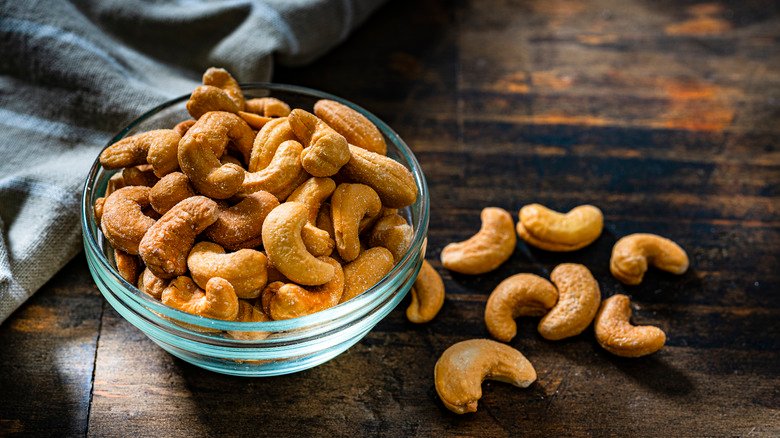
Cashew nuts differ considerably in size, which means their individual weight varies quite a lot. On average, a single cashew nut weighs around 1.5 grams, though this is just a midpoint. Smaller ones may weigh as little as 1 g, while larger, plumper cashews can reach up to 3 g.
This variation is important not only for calorie counting but also for understanding how much of certain nutrients — and potentially harmful substances — you might be consuming in a typical handful.
When scaled up, weight adds up fast. A full U.S. cup of unroasted cashews, for example, weighs about 150 g, which is equivalent to roughly 100 individual nuts.
The “Dangerous” Side of Cashews: What to Know
Just because cashews are common doesn’t mean they’re risk-free. Several factors make them potentially dangerous — though in many cases, these risks are avoidable.
Toxic Compound: Urushiol
One of the most significant dangers comes from a toxin called urushiol, the same irritant found in poison ivy, poison oak, and poison sumac. In raw, unprocessed cashews (especially those still in their shells), urushiol can remain present.
If someone were to handle truly raw, unprocessed cashew shells, they could experience skin irritation, burning, or blistering — essentially a contact dermatitis, not unlike a poison ivy rash.
However, commercially sold cashews (even those marketed as “raw”) are almost always heat-treated — via roasting or steaming — to destroy the urushiol and make the nuts safe to eat.
Allergic Reactions
Aside from urushiol, cashews — like other tree nuts — can trigger serious allergic reactions. Some individuals may develop hives, swelling, itching, or worse, anaphylaxis, a life-threatening respiratory reaction.
If you have a nut allergy or are unsure, even a small amount of cashew can be dangerous.
Gastrointestinal Issues
Cashews are rich in both fat and fiber. For many people, eating them in moderate amounts is fine; but excessive consumption can lead to digestive discomfort. Side effects include bloating, gas, constipation, or diarrhea.
Kidney Stones Risk
Cashews contain fairly high levels of oxalates, compounds that can bind with calcium in the body and potentially contribute to kidney stone formation. For people who are already prone to kidney stones, over-consuming cashews might raise their risk.
Weight Gain and Calorie Density
Although cashews are nutritious (providing healthy fats, protein, vitamins, and minerals), they are calorie-dense. Eating too many can easily lead to a calorie surplus and weight gain. In fact, some sources caution that frequent overindulgence may contribute to unintended weight increase.
Sodium and Other Health Concerns
When cashews are salted or roasted with added oil, the sodium content can go high. This matters especially for those watching their blood pressure. Also, there may be interactions between cashews’ mineral content (like magnesium) and certain medications — for example, with some antibiotics or blood pressure drugs.
Why Weight Matters in Risk Assessment
Understanding how much a cashew weighs helps to estimate how much of these potentially dangerous substances (or nutrients) you might consume. For instance:
- If you eat a handful of 18 average-sized cashews (weighing ~1.5 g each), that totals around 27 g of nuts.
- That portion could deliver a significant amount of fat and calories, making overconsumption more likely.
- In case of allergy or sensitivity, even a small misjudgment in count (and therefore weight) could lead to an unexpectedly large intake.
Moreover, because larger cashews (those up to ~3 g each) carry proportionally more of any residual toxins (if poorly processed), they may pose a slightly higher risk — though in most store-bought varieties, proper industrial roasting or steaming ensures safety.
Mitigating the Dangers: How to Enjoy Cashews Safely
Fortunately, the main risks from cashews are well-known, and there are practical steps you can take to enjoy them with minimal danger:
Buy from Reputable Sources
Always purchase cashews from trusted suppliers. Commercially sold cashews have gone through the necessary heat treatment to remove urushiol.
- Avoid True “Raw” Cashews
Be wary of cashews that claim to be “raw” but come in their shells or seem unprocessed — these may still carry urushiol unless they were roasted or steamed. - Watch Your Serving Size
Since cashews are calorie-dense, eat them in moderation. A typical serving is around 18 nuts (about 27 g). - Be Careful if You Have Allergies
If you’re allergic to nuts, especially tree nuts, consult a healthcare provider before introducing cashews into your diet. In case of a severe allergy, even small amounts can trigger a reaction. - Limit Intake if Prone to Kidney Stones
People with a history of kidney stones should moderate their consumption of high-oxalate foods, including cashews. - Choose Unsalted or Lightly Salted Options
To reduce sodium intake, pick unsalted or lightly salted cashews rather than heavily salted roasted ones.
Conclusion
Cashews may look harmless, but their deceptively simple appearance masks a surprising array of factors that make them potentially dangerous if mishandled or overconsumed. On average, an individual cashew nut weighs around 1.5 grams, though this can vary significantly.
The real risks come not from the weight itself, but from toxic compounds like urushiol (if not properly removed), allergic reactions, and health consequences tied to excessive consumption — including digestion issues, kidney stone risk, and weight gain.
That said, when properly processed and eaten in moderation, cashews are a nutritious and delicious snack. By being aware of their weight, composition, and hidden risks, you can enjoy them safely as part of a balanced diet.
