
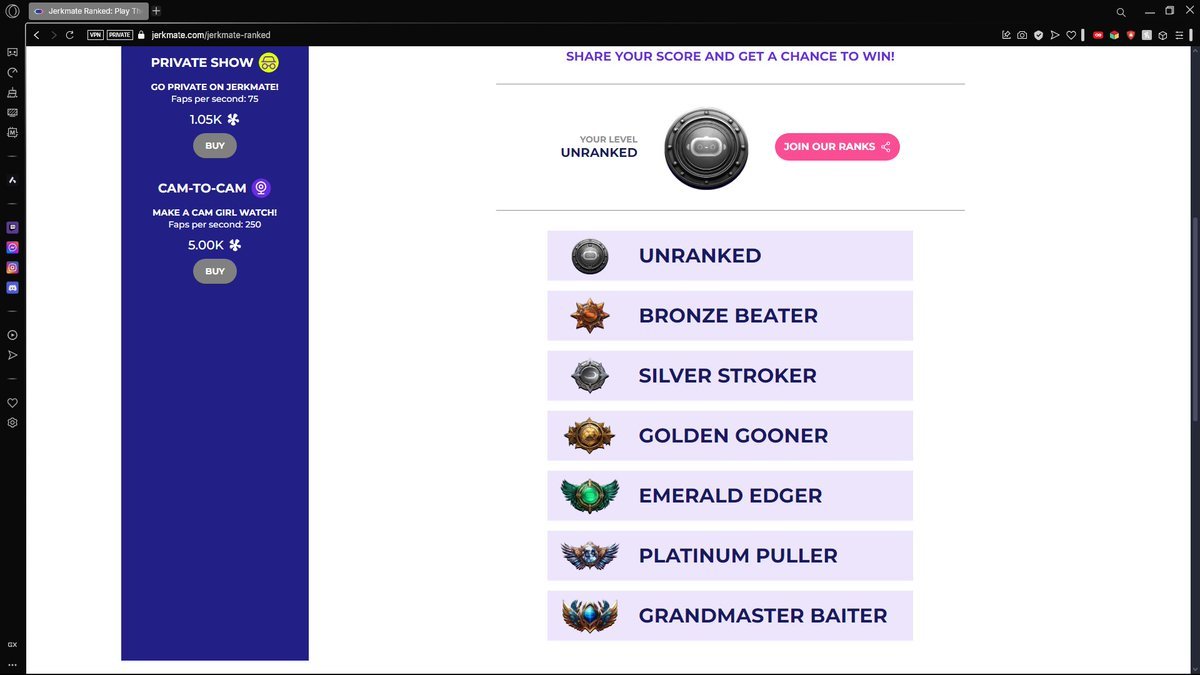
In recent years, many online platforms have introduced ranking or level-based systems to increase user engagement. These systems often use titles, badges, or “level names” to represent user status, activity, or spending behavior. When people search for phrases like “jerkmate ranked level names”, they are usually trying to understand how such systems work, what the different levels mean, and whether higher ranks offer special benefits. However, this topic is often considered dangerous because it sits at the intersection of adult-oriented platforms, psychological manipulation, privacy risks, and financial exposure. To fully understand why this subject raises concerns, it is important to examine how ranking systems operate and why they can negatively affect users.
What Ranked Level Names Usually Represent
Ranked level names are typically labels assigned to users based on activity, time spent, or money invested on a platform. These names are often designed to sound exclusive, prestigious, or aspirational. Common patterns include beginner-style titles for new users, intermediate levels that suggest experience or loyalty, and elite tiers that imply power, influence, or special access. While such systems may appear harmless, they are carefully crafted to influence behavior. The danger lies not in the names themselves, but in the psychological effects they create.
The Psychological Pull of Status and Progression
Human psychology is deeply influenced by status symbols and progression markers. Ranked level names tap into a natural desire to belong, to advance, and to be recognized. When a platform assigns a user a level name, it creates a sense of identity tied to that status. Users may begin to associate self-worth with their rank, feeling motivated to maintain or improve it at any cost. This is particularly dangerous in environments where progression is linked to repeated spending or excessive time investment.
Why This Topic Is Labeled as “Most Dangerous”
The phrase “most dangerous check” is often associated with searches about ranked level names because users are trying to determine whether engaging with such systems is safe. The danger comes from several combined factors. First, ranked systems can encourage compulsive behavior. Second, they may obscure real financial costs behind symbolic rewards. Third, they can normalize risky online habits by framing them as achievements. Together, these elements create an environment where users may lose control over their time, money, or personal boundaries.
Financial Risks Hidden Behind Level Advancement
One of the biggest dangers of ranked level systems is financial escalation. As users move up levels, the requirements often increase significantly. What starts as small, manageable spending can gradually turn into substantial financial commitments. Higher-ranked level names are often marketed as unlocking better experiences or exclusive interactions, which pushes users to spend more to avoid feeling left behind. Over time, this can lead to regret, debt, or financial stress, especially when users underestimate how quickly costs add up.
Privacy and Data Exposure Concerns
Another serious issue related to ranked level names is privacy. To assign and maintain levels, platforms often track user behavior in detail. This can include session duration, interaction patterns, and spending history. While some data collection is standard online, adult-oriented platforms raise additional concerns. Users may not fully understand how their data is stored, shared, or protected. The higher the level, the more visible or traceable a user’s activity may become, increasing the risk of data misuse or exposure.
Emotional Dependency and Social Manipulation
Ranked level names can also create emotional dependency. Users may feel a sense of loyalty to the platform or emotional attachment to the identity associated with their rank. This is especially dangerous when platforms subtly encourage users to maintain their status through fear of loss. The idea of “falling behind” or losing a level can trigger anxiety, pushing users to stay engaged even when it negatively affects their well-being. This form of social manipulation is powerful and often goes unnoticed.
Misleading Sense of Achievement
Another overlooked danger is the illusion of achievement. Ranked level names are designed to feel rewarding, but they rarely translate into real-world benefits. Users may spend significant time and money chasing digital titles that hold no value outside the platform. This can divert energy away from meaningful personal goals, relationships, or professional development. Over time, users may realize that their efforts resulted only in temporary digital recognition.
Lack of Transparency in Ranking Criteria
Many platforms do not clearly explain how their ranked level systems work. Users may not know exactly what actions increase or decrease their level, or how close they are to the next tier. This lack of transparency creates uncertainty and encourages trial-and-error behavior, which often benefits the platform more than the user. When people search for information about ranked level names, it is often because they feel confused or misled by unclear rules.
Long-Term Impact on Mental Well-Being
Repeated exposure to competitive ranking systems can affect mental health. Users may compare themselves to others, feel inadequate if they are at lower levels, or experience stress from trying to keep up. In adult-oriented environments, this effect can be intensified due to the personal and emotional nature of the content. Over time, this can lead to decreased self-esteem, increased anxiety, or unhealthy coping mechanisms.
Why Caution and Awareness Are Essential
The danger associated with topics like “jerkmate ranked level names” is not about curiosity or information-seeking itself. It is about what happens when users engage without awareness. Understanding how ranking systems are designed, what they are meant to encourage, and what risks they carry is crucial. Awareness allows users to make informed decisions, set boundaries, and avoid falling into patterns of compulsive behavior.
Conclusion: Knowledge as the Best Protection
Ranked level names may seem like simple labels, but they carry significant psychological, financial, and emotional implications. The reason this topic is often flagged as dangerous is because it highlights how easily users can be influenced by carefully designed systems. By recognizing the risks behind ranking structures, users can approach such platforms with caution rather than blind enthusiasm. Ultimately, knowledge and self-awareness are the strongest defenses against the hidden dangers of digital ranking systems.
