
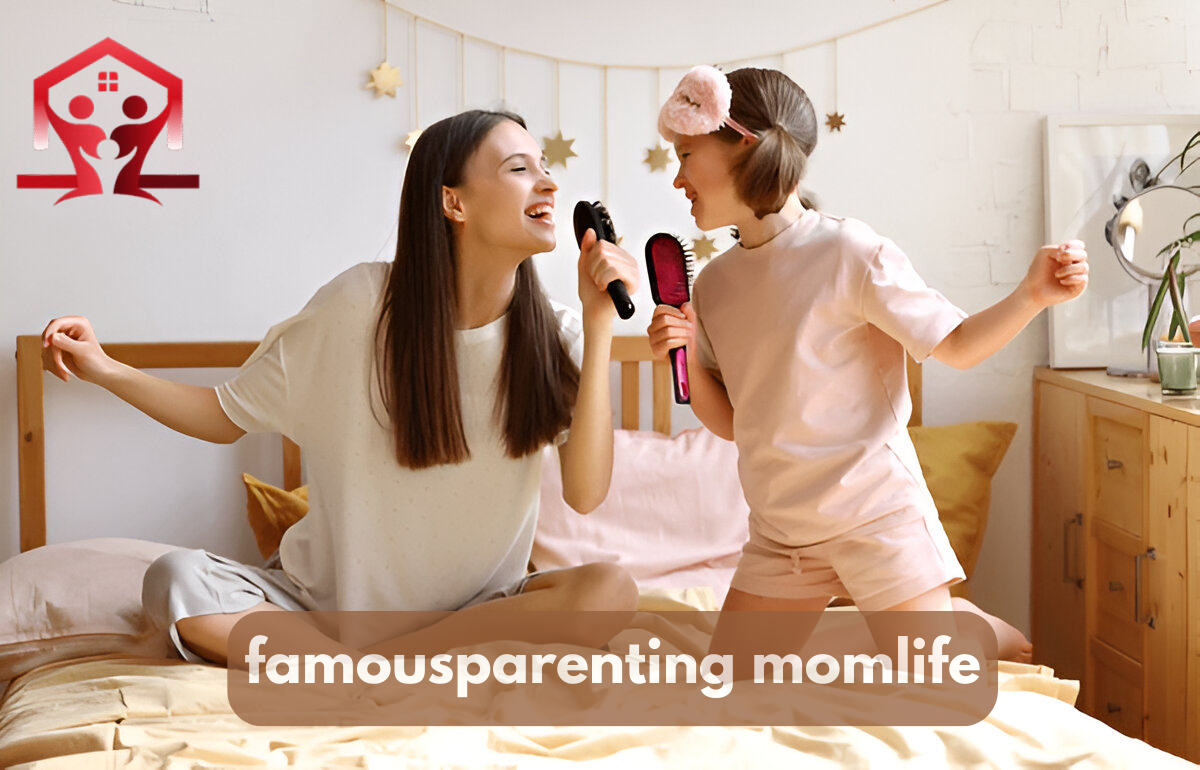
Introduction: The Rise of a Digital Parenting Ideal
In the age of social media, parenting is no longer a private journey shaped quietly within the walls of a home. It has become a public performance, carefully curated, filtered, and shared with millions of strangers. One phrase that has come to symbolize this phenomenon is famousparenting momlife. At first glance, it appears harmless, even inspiring. It suggests successful mothers balancing family life, personal ambition, beauty, wealth, and emotional fulfillment, all while raising happy children. However, beneath this glossy surface lies a complex and potentially dangerous reality.
The concept of famousparenting momlife is not simply about sharing parenting tips or celebrating motherhood. It represents a culture where parenting becomes content, children become brand assets, and maternal worth is measured by likes, followers, and engagement. While it promises empowerment and community, it often delivers pressure, comparison, exploitation, and emotional harm. This article explores why famousparenting momlife can be one of the most dangerous modern trends affecting mothers, children, and society as a whole.
The Illusion of Perfect Motherhood
One of the most harmful aspects of famousparenting momlife is the illusion of perfection it promotes. Online, these mothers appear endlessly patient, stylish, organized, and fulfilled. Their homes are immaculate, their children are well-behaved, and their lives seem free of chaos. This portrayal creates an unrealistic standard of motherhood that few, if any, can genuinely achieve.
For everyday mothers consuming this content, the comparison is inevitable. When real life does not match the polished version seen online, feelings of inadequacy arise. Mothers begin to question their abilities, their choices, and even their worth. This emotional toll can lead to anxiety, guilt, and depression. The danger lies not in inspiration, but in the subtle message that struggling is a personal failure rather than a natural part of parenting.
Commercialization of Motherhood
Famousparenting momlife often blurs the line between genuine experience and marketing. Many influential mothers build entire careers around showcasing their family life. Every moment, from pregnancy announcements to children’s milestones, becomes an opportunity for branding and monetization. Motherhood, once deeply personal, turns into a commercial product.
This commercialization shifts priorities. Decisions may be influenced not by what is best for the child, but by what performs best online. Family moments are staged for engagement, emotional moments are shared for views, and private struggles become public narratives. The danger here is the erosion of authenticity and the transformation of parenting into a business model where emotional boundaries are sacrificed for financial gain.
Children as Content: A Silent Risk
Perhaps the most serious danger of famousparenting momlife is its impact on children. In many cases, children grow up with their lives documented from birth, often without their understanding or consent. Their faces, habits, emotions, and vulnerabilities are shared publicly, creating a permanent digital footprint.
This exposure can lead to long-term consequences. Children may face privacy violations, identity confusion, and social challenges as they grow older. What seemed cute or relatable to an audience may later become embarrassing or harmful. Additionally, children may feel pressured to perform or behave in ways that align with their parent’s online persona. The absence of informed consent makes this practice ethically troubling and emotionally risky.
Psychological Pressure on Mothers
While famousparenting momlife appears glamorous, the psychological burden on the mothers themselves is often overlooked. Maintaining an online image requires constant effort. There is pressure to stay relevant, to produce content consistently, and to respond to public scrutiny. Mistakes, parenting choices, or personal opinions can attract criticism from thousands of strangers.
This constant exposure can lead to burnout, emotional exhaustion, and a distorted sense of self-worth. When validation comes primarily from online approval, a mother’s identity becomes fragile and dependent on external feedback. The danger is that motherhood, instead of being a source of connection and growth, becomes a performance driven by fear of losing relevance.
Distortion of Parenting Values
Famousparenting momlife often promotes specific parenting styles, routines, and values as universally superior. Whether it is strict schedules, luxury lifestyles, or aesthetic-focused home environments, these ideals are presented as the formula for success. This narrow representation ignores cultural, economic, and personal differences.
As a result, many mothers feel pressured to conform to standards that may not suit their families. Parenting becomes less intuitive and more rule-driven, guided by trends rather than genuine understanding of a child’s needs. The danger lies in replacing flexibility and empathy with rigid expectations shaped by online popularity rather than child development principles.
The Impact on Society’s View of Motherhood
On a broader level, famousparenting momlife reshapes how society views motherhood. It elevates a specific, often privileged version of parenting while marginalizing others. Single mothers, working-class families, mothers without social media presence, or those facing challenges are rarely represented in these narratives.
This skewed representation reinforces inequality and creates a false hierarchy of maternal success. Motherhood becomes something to be judged, ranked, and displayed, rather than respected as a deeply personal and varied experience. The danger is a cultural shift that values visibility over substance and appearance over emotional health.
Loss of Privacy and Safety Concerns
Sharing family life publicly also raises serious safety concerns. Oversharing details about daily routines, locations, schools, and personal struggles can expose families to risks. While the intention may be connection or transparency, the consequences can include unwanted attention, harassment, or worse.
Children, in particular, are vulnerable. They cannot fully understand the implications of being visible to a global audience. Once shared, content cannot be fully erased. The danger of famousparenting momlife is not just emotional or psychological, but also practical and physical.
Redefining Healthy Motherhood in the Digital Age
It is important to clarify that sharing parenting experiences is not inherently harmful. Community, support, and storytelling can be powerful tools for connection. The danger arises when famousparenting momlife becomes performative, commercialized, and disconnected from reality.
Healthy motherhood in the digital age requires boundaries. It requires respect for children’s privacy, honesty about struggles, and a willingness to step away from comparison culture. It also requires audiences to consume content critically, remembering that what they see is often curated rather than complete.
Conclusion: Awareness as the First Step to Change
Famousparenting momlife is most dangerous not because it exists, but because it often disguises its risks behind beauty, success, and inspiration. It influences how mothers see themselves, how children grow up, and how society defines parenting. The dangers include emotional harm, exploitation, loss of privacy, and the distortion of core parenting values.
Awareness is the first step toward change. By recognizing the limitations and risks of this trend, mothers can reclaim authenticity, prioritize their children’s well-being, and redefine success on their own terms. Motherhood does not need an audience to be meaningful, and parenting does not need perfection to be powerful. True momlife happens off-camera, in moments of connection, patience, and unconditional love.
