
Introduction
For more than a century, the incandescent light bulb has been a symbol of innovation, comfort, and progress. It illuminated homes, streets, factories, and minds across the world. Even today, many people associate its warm, yellowish glow with coziness and nostalgia. However, behind this familiar light lies a range of dangers that are often overlooked. When compared with modern lighting technologies such as LED and CFL bulbs, the incandescent light bulb stands out as one of the most dangerous and inefficient options still in use.
This article explores why incandescent light bulbs are considered hazardous, examining their risks to human safety, energy efficiency, fire hazards, environmental impact, and long-term health concerns. Understanding these dangers is essential in making informed decisions about lighting choices in homes, workplaces, and public spaces.
What Is an Incandescent Light Bulb?
An incandescent light bulb produces light by passing an electric current through a thin tungsten filament. As the filament heats up to extremely high temperatures, it glows and emits visible light. This process, while simple and effective, is inherently inefficient and risky. A significant portion of the energy consumed by an incandescent bulb is converted into heat rather than light, making it not only wasteful but also potentially dangerous.
Excessive Heat Generation
One of the most critical dangers of an incandescent light bulb is the amount of heat it produces. Nearly 90 percent of the energy used by these bulbs is released as heat instead of light. The surface temperature of an incandescent bulb can reach several hundred degrees Celsius during operation.
This extreme heat poses multiple risks:
- Burn Injuries: Accidental contact with a lit incandescent bulb can cause serious skin burns, especially in children or elderly individuals.
- Heat Stress: In enclosed or poorly ventilated areas, the heat emitted by multiple incandescent bulbs can raise room temperatures, contributing to discomfort and heat-related health issues.
- Damage to Fixtures: Continuous exposure to high heat can degrade lamp holders, wiring insulation, and nearby materials over time.
Fire Hazard Risks
The incandescent light bulb is widely recognized as a significant fire hazard. Because it operates at such high temperatures, it can easily ignite flammable materials if placed too close.
Common fire-related dangers include:
- Curtains and Fabrics: Bulbs near curtains, bedding, or clothing can ignite these materials within minutes.
- Paper and Wood: Lamps placed near books, furniture, or wooden surfaces increase the risk of accidental fires.
- Faulty Wiring: The high heat can worsen existing electrical problems, leading to short circuits or sparks.
Many residential fires around the world have been linked to overheating incandescent bulbs, especially in older buildings with outdated electrical systems.
Fragile Glass and Explosion Risk
Incandescent light bulbs are made of thin glass that encloses a vacuum or inert gas. This glass structure is extremely fragile. A sudden impact, vibration, or even temperature change can cause the bulb to shatter.
In some cases, incandescent bulbs can explode due to:
- Overheating: Prolonged use in enclosed fixtures traps heat, increasing internal pressure.
- Power Surges: Sudden voltage spikes can stress the filament and glass envelope.
- Water Exposure: Contact with moisture while hot can cause rapid cooling, leading to shattering.
When an incandescent bulb breaks, sharp glass fragments can cause cuts and eye injuries, making it a physical hazard in homes and workplaces.
Electrical Safety Concerns
Incandescent bulbs draw more electrical current than energy-efficient alternatives. This increased demand can place additional stress on electrical circuits, especially in older homes not designed to handle high loads.
Potential electrical dangers include:
- Overloaded Circuits: Using multiple incandescent bulbs on a single circuit increases the risk of overheating wires.
- Socket Damage: Heat can loosen connections in sockets, creating sparks or arcing.
- Higher Risk of Electric Shock: Damaged fixtures or exposed wiring combined with high temperatures increase the likelihood of electric shock accidents.
Environmental Impact and Indirect Dangers
Although incandescent bulbs do not contain toxic chemicals like mercury, their environmental impact is still considerable and indirectly dangerous.
Key environmental concerns include:
- High Energy Consumption: Incandescent bulbs require significantly more electricity to produce the same amount of light as LEDs.
- Increased Carbon Emissions: Higher electricity demand leads to increased fossil fuel consumption, contributing to air pollution and climate change.
- Short Lifespan: These bulbs burn out quickly, leading to more frequent disposal and increased waste generation.
Environmental degradation caused by inefficient energy use has long-term consequences for human health, including respiratory diseases and heat-related illnesses linked to climate change.
Economic Burden and Safety Trade-Offs
While incandescent bulbs are cheap to purchase, they are expensive to operate. Their inefficiency results in higher electricity bills, which can encourage unsafe practices such as:
- Overuse of Extension Cords: To reduce costs, people may use unsafe wiring setups.
- Use of Low-Quality Fixtures: Cheaper fixtures may not withstand the heat produced by incandescent bulbs.
- Delayed Replacement: People may continue using damaged or flickering bulbs, increasing fire and electrical risks.
The financial strain associated with high energy use indirectly contributes to unsafe living conditions.
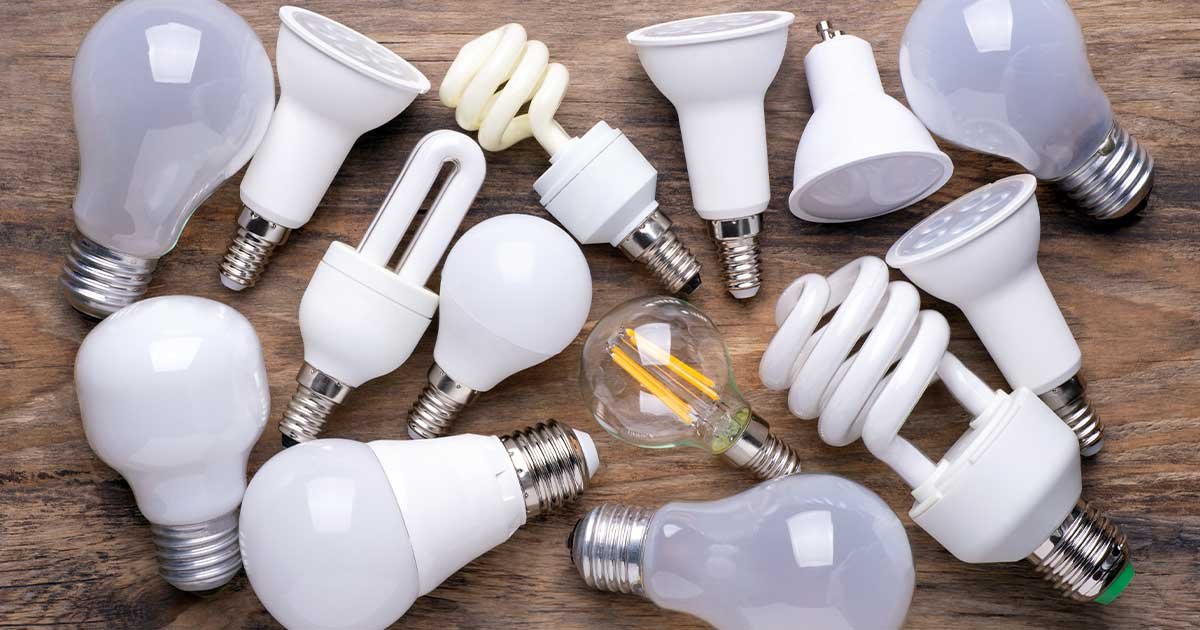
Comparison with Modern Lighting Technologies
When compared to modern alternatives, the dangers of incandescent bulbs become even more apparent.
- LED Bulbs: Produce minimal heat, last significantly longer, and use far less energy.
- CFL Bulbs: More efficient than incandescent bulbs, though they require careful disposal.
- Halogen Bulbs: Slightly more efficient than traditional incandescent bulbs but still generate high heat and pose similar risks.
Modern lighting solutions are designed with safety, efficiency, and sustainability in mind, making incandescent bulbs largely obsolete and unnecessarily dangerous.
Health Implications of Heat and Light Quality
Prolonged exposure to heat from incandescent lighting can affect indoor air quality by increasing temperatures and encouraging dust circulation. Additionally, while the warm light may seem comforting, excessive brightness and glare from improperly used incandescent bulbs can cause eye strain and headaches.
In work environments, poor lighting quality combined with heat can reduce concentration, increase fatigue, and contribute to long-term vision problems.
Why Incandescent Light Bulbs Are Still in Use
Despite their dangers, incandescent bulbs remain in use due to habit, low upfront cost, and preference for warm light. Some people also use them in specific applications such as ovens, heat lamps, or decorative fixtures. However, these limited uses require strict safety measures and are not suitable for general lighting.
The Need for Safer Lighting Choices
Given the numerous risks associated with incandescent light bulbs, transitioning to safer alternatives is not just an environmental choice but a personal safety decision. Governments and safety organizations across the world have recognized these dangers, leading to regulations and phase-outs in many regions.
Safer lighting reduces fire risks, lowers energy consumption, minimizes heat-related injuries, and creates healthier living environments.
Conclusion
The incandescent light bulb, while historically significant, is one of the most dangerous lighting options still found in homes and buildings today. Its excessive heat production, high fire risk, fragile construction, electrical hazards, and environmental impact make it unsuitable for modern safety standards. As safer, more efficient technologies are widely available, continuing to use incandescent bulbs exposes individuals and communities to unnecessary danger.
