
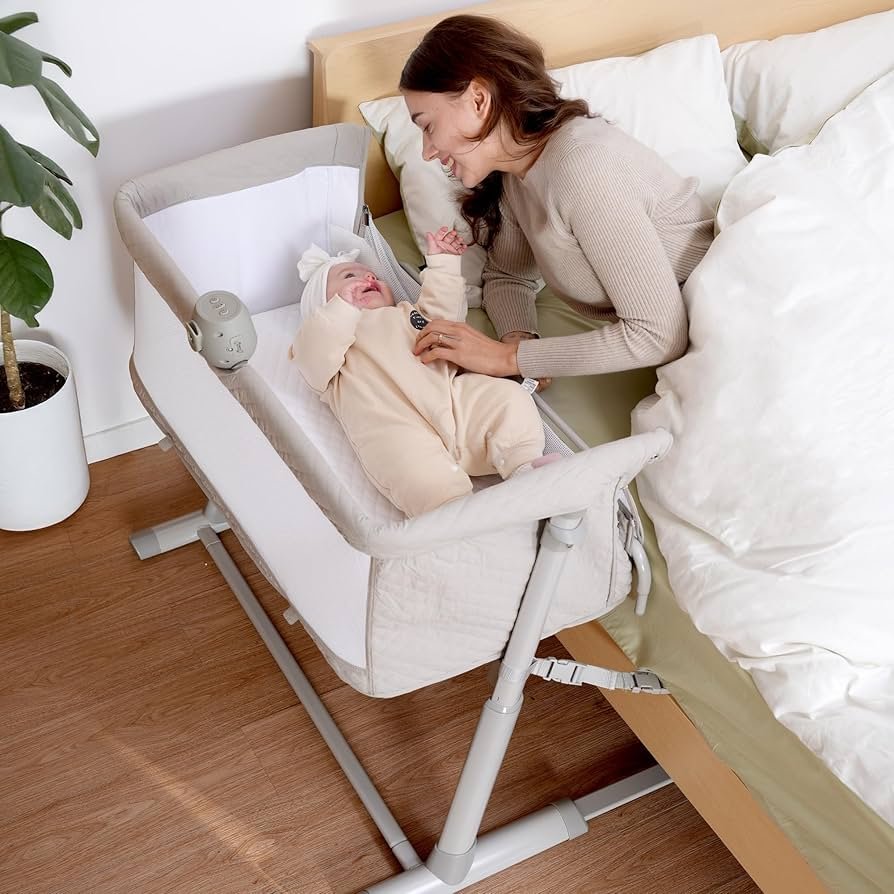
A bassinet is often seen as one of the first investments for a newborn—a cozy, small sleeping space designed to keep infants close and secure. Many parents are drawn to the convenience, portability, and the gentle aesthetic of a bassinet. However, beneath the appealing exterior, there are potential safety concerns that every parent should understand before bringing one into their home.
While bassinets can be helpful, especially in the first few months of a baby’s life, it is essential to weigh the risks and take precautions to ensure your baby’s safety. In this article, we’ll explore the benefits and dangers of using a bassinet, safety guidelines, and alternatives for parents seeking peace of mind.
Why Parents Choose Bassinets
Bassinets are designed to provide a safe, enclosed space for newborns. Their small size makes them ideal for placing next to the parents’ bed, which can help with nighttime feedings and monitoring. Some of the advantages of a bassinet include:
- Portability: Unlike cribs, bassinets are lightweight and easy to move from room to room.
- Space-saving: Small nurseries or bedrooms can accommodate a bassinet more easily than a larger crib.
- Convenience: Parents can keep the baby within arm’s reach, reducing the need for constant movement.
These features make bassinets particularly attractive for parents of newborns who want a practical and aesthetically pleasing solution for early sleep arrangements.
The Hidden Dangers
Despite these benefits, bassinets have been associated with certain risks that parents should not overlook. One of the most concerning dangers is the risk of suffocation and sudden infant death syndrome (SIDS).
According to safety experts, some bassinets may pose a hazard if they are poorly designed, unstable, or used incorrectly. Specific risks include:
- Unstable construction: Lightweight bassinets can tip over if a baby shifts suddenly.
- Soft bedding and padding: While it may seem cozy, excessive padding can increase the risk of suffocation.
- Improper mattress fit: A mattress that doesn’t fit snugly can create gaps where a baby’s head or limbs could become trapped.
- Outdated or recalled models: Older models may not meet current safety standards and can be dangerous.
It is crucial for parents to recognize that even a bassinet that appears safe can become hazardous if used improperly.
Guidelines for Safe Bassinet Use
If you decide to use a bassinet, following safety guidelines is essential to minimize risks. Experts recommend the following practices:
- Check for safety certifications: Look for bassinets that comply with the latest safety standards. Certifications from recognized organizations ensure that the product has undergone rigorous testing.
- Keep the sleeping area minimal: Remove pillows, blankets, stuffed animals, and any loose bedding. A firm, flat mattress is best for newborn safety.
- Position the bassinet correctly: Place it on a flat, stable surface away from cords, blinds, and other hazards.
- Avoid inclined sleepers: Some bassinets have inclined sleeping surfaces, but these can increase the risk of suffocation and are not recommended for unsupervised sleep.
- Supervise sleep when possible: While bassinets are designed for unsupervised sleep, parents should check on the baby frequently, especially during the first few months.
- Follow manufacturer instructions: Every bassinet comes with weight and age limits. Adhering to these guidelines ensures your baby remains safe.
By carefully following these safety measures, parents can reduce the risks associated with bassinet use while still enjoying the convenience they provide.
Alternatives to Bassinets
Some parents may prefer alternatives that offer similar benefits without the associated dangers. These include:
- Cribs: A standard crib with a firm mattress can be a safer long-term sleeping solution. Cribs are designed to meet strict safety standards and reduce the risk of accidents.
- Co-sleepers: Some co-sleeping options attach to the parents’ bed, offering closeness without compromising safety. These products allow infants to sleep in their own space while remaining near their caregivers.
- Portable play yards: Some models offer bassinet-like features but with more robust construction, making them a safer option for newborns.
Choosing the right sleeping arrangement depends on the baby’s needs, the parents’ lifestyle, and the space available in the home.
Signs of Unsafe Bassinet Use
Parents should remain vigilant for signs that a bassinet may not be safe. Warning signs include:
- Wobbling or tipping when lightly nudged.
- Cracks or broken parts in the frame.
- Mattresses that do not fit snugly.
- Excessive wear and tear in older models.
If any of these signs are present, it is time to consider replacing the bassinet or switching to an alternative sleeping solution.
Real-Life Examples
Many parents have shared experiences highlighting the importance of bassinet safety. Stories of infants being injured due to tipping, soft bedding, or poorly designed structures serve as cautionary tales. These real-life examples underscore the fact that convenience should never outweigh safety when it comes to a newborn.
The Bottom Line
Bassinets can be a convenient, comfortable option for newborn sleep, but they come with potential hazards that must not be ignored. Parents should carefully research products, follow safety guidelines, and consider alternatives if necessary.
The key takeaway is that safety always comes first. By making informed decisions, parents can ensure their baby sleeps soundly without compromising well-being.
Bassinets are not inherently dangerous, but complacency and misuse can turn a helpful product into a risk. Awareness, vigilance, and adherence to safety standards make all the difference.
Parents who prioritize safety while using a bassinet can enjoy the benefits of closeness, convenience, and comfort, all while protecting their newborn from harm.
Conclusion
The journey of parenthood comes with countless decisions, and choosing the right sleeping arrangement is among the most critical. While a bassinet can offer practicality and convenience in a newborn’s first months, it also carries hidden risks that require careful attention. By understanding potential hazards, following expert guidelines, and considering safer alternatives, parents can create a secure sleeping environment for their baby.
Ultimately, the goal is simple: a safe, peaceful, and comfortable sleep for both baby and parent. The bassinet can play a role in achieving that, but only when used responsibly and with awareness of the dangers that exist.
