
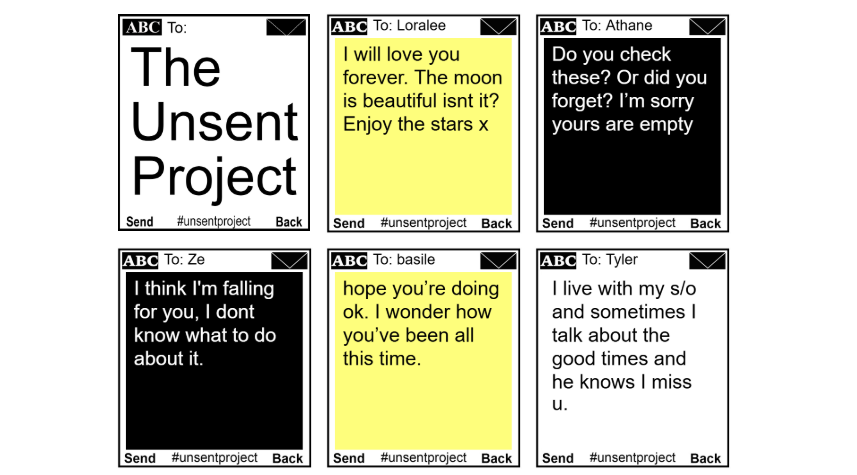
In every creative field, there comes a time when ideas emerge that are too risky, too unconventional, or simply too raw to be shared immediately. These ideas often sit quietly, forming what some might call an unsent project. The unsent project is not merely a collection of unfinished work—it is a reservoir of potential, a secret blueprint of thoughts waiting for the right moment, the right audience, or sometimes, simply the courage to reveal itself.
While the notion may seem harmless, the unsent project carries a subtle, sometimes dangerous, power. It embodies our fears, our doubts, and our ambitions in equal measure. By examining the dynamics of these hidden creations, we can better understand human psychology, creativity, and the fine line between genius and chaos.
What Makes a Project “Unsent”?
A project becomes unsent for various reasons. It could be a manuscript left incomplete because the author feared judgment, a business proposal shelved due to its riskiness, or even a technological prototype too advanced for current standards. Essentially, an unsent project is anything that has been intentionally withheld from the public or its intended recipient.
There are multiple factors that lead to this inaction:
- Fear of Failure – One of the most common reasons projects remain unsent is the fear of criticism or failure. Many creators prefer the safety of a draft rather than the risk of public scrutiny.
- Perceived Inadequacy – Sometimes, the creator feels the work does not meet their own standards. This perfectionism can freeze ideas, leaving them in a state of limbo.
- Potential Harm – Some projects are withheld because they could have dangerous consequences if released prematurely. This is often seen in research, technology, and even social commentary.
Despite being hidden, these projects influence the creator and the environment around them. The very act of creating something unsent changes the way one thinks, interacts, and approaches future projects.
The Dangerous Edge of Creativity
The term “dangerous” may seem extreme, but unsent projects often carry risk—both personal and societal. Consider the impact if certain ideas were shared before the world was ready. History provides countless examples: scientific breakthroughs initially rejected or misunderstood, artistic works deemed scandalous, or political theories considered radical.
Unsent projects exist in a liminal space, where innovation meets caution. The creator holds the power of dissemination and suppression simultaneously. This duality can be thrilling, yet hazardous. A brilliant idea could either revolutionize an industry or create unforeseen consequences. The weight of this responsibility can be a psychological burden, sometimes even affecting mental health.
The Psychological Toll
Hiding a project comes with emotional and cognitive challenges. Creators may experience:
- Anxiety – The internal conflict between sharing and withholding can lead to persistent stress.
- Imposter Syndrome – Questioning the value of one’s work while knowing it could have significant impact.
- Creative Paralysis – Fear of the consequences can prevent new projects from even being started.
Interestingly, some psychologists argue that unsent projects can also be a form of self-preservation. By holding back, the creator protects themselves from external judgment and potential personal or professional harm. However, over time, this suppression can lead to stagnation and frustration.
The Hidden Potential
Even when unsent, projects are not entirely inert. They serve as incubators for future ideas. Many creators revisit old, incomplete work and discover that their unsent projects are actually seeds of innovation.
For example, a sketchbook abandoned years ago might inspire a groundbreaking design. A half-finished story could evolve into a bestseller. The key is that the unsent project is not wasted effort—it is a cognitive reservoir that, if approached strategically, can become a powerful tool for growth.
Turning an Unsent Project Into Success
Transforming an unsent project into something impactful requires a thoughtful approach:
- Reflection – Evaluate why the project was unsent initially. Understanding these reasons can clarify whether it is ready for sharing.
- Iteration – Modify, improve, and refine the project. Unsent does not mean immutable. The creative process is often cyclical.
- Risk Assessment – Consider potential consequences of releasing the project. Some ideas may still be too dangerous or sensitive for public exposure.
- Selective Sharing – If direct release is risky, consider sharing with a trusted mentor or small focus group. Feedback can be invaluable without exposing the work to unnecessary harm.
By carefully managing the transition from private to public, an unsent project can move from dangerous potential to beneficial innovation.
Cultural and Societal Implications
The concept of the unsent project also reflects broader societal issues. In many cultures, there is an inherent tension between innovation and conformity. Ideas that challenge the status quo are often suppressed—not necessarily because they lack merit, but because they threaten established norms.
Social media, in particular, has transformed the dynamics of unsent projects. With instant sharing and viral potential, creators face unprecedented pressure to release or perfect their work. The unsent project now carries not only personal but also societal weight, with consequences amplified by global visibility.
The Ethics of Suppression
Withholding a project can sometimes be ethical, especially if its release might cause harm. However, suppression can also prevent important knowledge or art from reaching society. Navigating this balance is one of the most complex aspects of the unsent project. Ethical considerations may include:
- Potential Harm vs. Benefit – Will releasing this idea improve or endanger others’ lives?
- Consent and Privacy – Does the project involve sensitive data or information about others?
- Long-Term Impact – Could delaying or modifying release alter societal outcomes?
These questions highlight the delicate responsibility creators bear when dealing with unsent projects.
Embracing the Unsent
While some may view unsent projects as failures, they can also be seen as necessary experiments. The process of creation—regardless of public sharing—is inherently valuable.
To embrace unsent projects positively:
- Document and Archive – Keeping track of ideas, even if unsent, allows future exploration.
- Reflect on Learning – Each unsent project teaches something about your strengths, weaknesses, and creative boundaries.
- Use as a Launchpad – Consider old projects as raw materials for new ones. The act of revisiting can inspire breakthroughs.
By reframing unsent projects as opportunities rather than failures, creators can harness their potential without being paralyzed by fear.
Conclusion
The unsent project exists in a space of tension—between creativity and caution, risk and reward, secrecy and revelation. It can be dangerous, emotionally taxing, and sometimes ethically complex. Yet, it also embodies immense potential, serving as a hidden reservoir of ideas waiting for the right moment to emerge.
Rather than fearing these projects, we can learn to respect and manage them. By reflecting on their purpose, iterating carefully, and considering ethical consequences, an unsent project can transform from a hidden risk into a powerful force for innovation and personal growth.
Ultimately, the unsent project is a mirror of the human mind—complex, tentative, and capable of remarkable insight. To embrace it is to accept both the danger and the promise inherent in untold ideas.
