
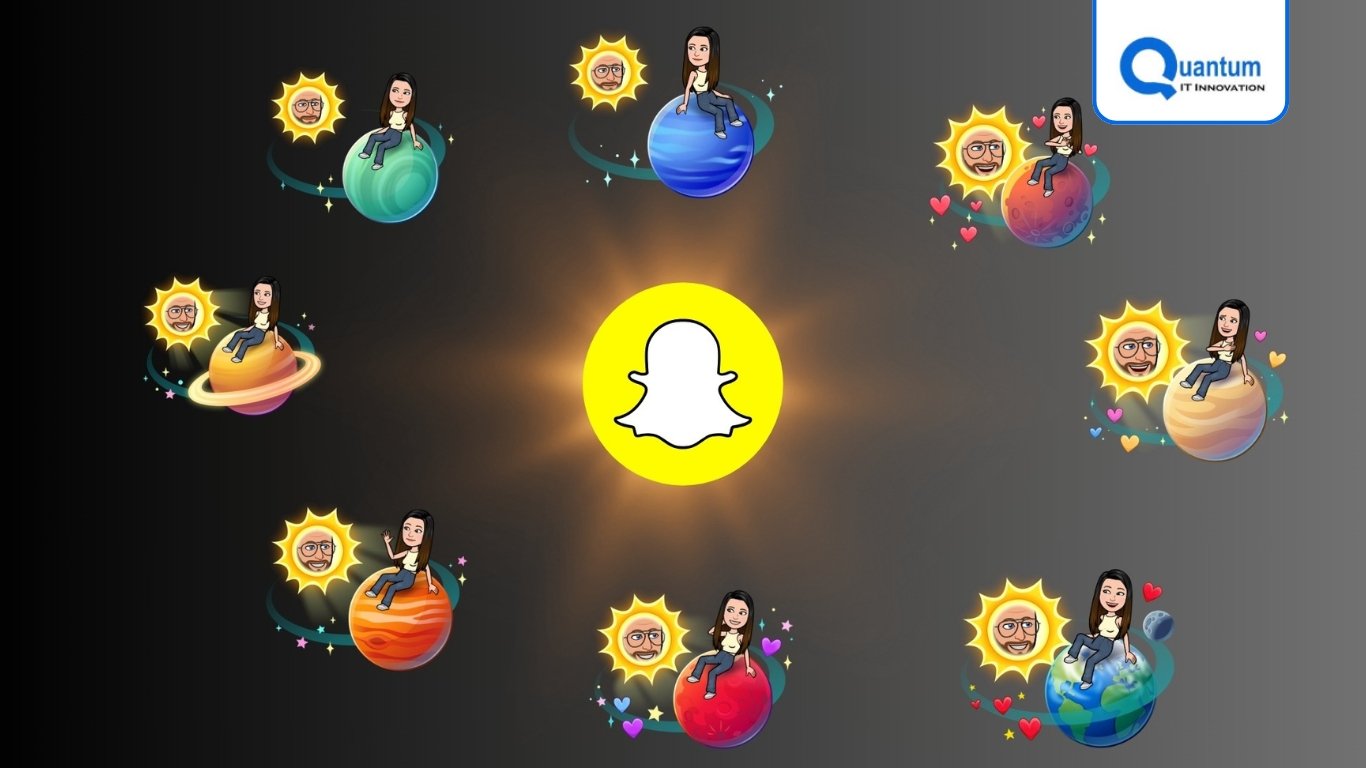
The “Best Friend Snapchat Planets” feature has fascinated and confused Snapchat users since its introduction. At first glance, it appears to be a fun visual way to display friendship strength — a playful, cosmic metaphor for social interaction. But beneath this galaxy of colorful planets lies a more complex social dynamic that some people find stressful or even harmful. In this article, we’ll explore what the Best Friend Snapchat Planets are, how they work, and why some say they are “dangerous” in a social sense.
Understanding the Snapchat Planets Feature
To begin, the Snapchat Planets feature is part of Snapchat’s premium subscription service, Snapchat+. It uses a “Friend Solar System” metaphor to represent a user’s closest friends as planets orbiting around a central Sun — your own Bitmoji. Each planet corresponds to one of your top connections based on interaction frequency such as snaps, chats, or Story views.
Here’s how the planet ranking works:
- Mercury — Your #1 friend, the closest relationship on Snapchat.
- Venus — The second most frequent interaction.
- Earth — Your third closest buddy.
- Mars — A good friend, but slightly fewer interactions.
- Jupiter, Saturn, Uranus, Neptune — Friends with gradually less interaction, down to minimal engagement.
Users who enable this feature can see where they stand in someone else’s solar system — essentially seeing how important they are in that person’s digital world.
Why It’s Captivating — The Attraction of Planets
On the surface, Snapchat Planets adds a fun layer to friendship dynamics. Instead of a plain list, you get a visual, almost game-like display of where each friend stands. Friends who communicate frequently might see themselves closer to the Sun, while others naturally drift outward.
For many, this creates:
- A sense of achievement when you’re Mercury or Venus.
- A visual reminder of friendships you value.
- An interactive way to explore social ties beyond text or emojis.
Because each position updates automatically based on interactions, the planets can change over time — meaning your social “orbit” is always in flux.
The Other Side: Why Some Call It “Dangerous”
While the feature is designed to be fun, critics argue that it can have negative psychological and social effects, especially among teens and young adults who are already sensitive about peer approval. Here’s why:
1. Encourages Unhealthy Comparison
Seeing that someone ranks you lower in their solar system than you expected can feel like social rejection. It turns casual digital interactions into a quantified metric of friendship value. Some users have reported feeling anxious or insecure about not being at the top of someone’s list, even if they are close in real life.
2. Creates Unnecessary Competition
Because the system is based on measurable interaction, some people might begin trying to “game” their way to a better position — sending more snaps, responding instantly, or constantly reacting to stories. Rather than being a natural representation of friendship, the feature can feel like a competition for digital affection.
3. Can Lead to Misinterpretation
Not being in someone’s top eight doesn’t mean you aren’t close in real life. Yet, on Snapchat, this algorithmic ranking can mislead users into thinking they’re less loved or valued. The problem is rooted in placing digital behavior over real emotional bonds.
4. Anxiety and Peer Pressure
Studies and user experiences suggest that metrics like these can worsen anxiety, especially in teens who struggle to differentiate between digital indicators and real social worth. When someone sees they’re far out in the solar system, it may provoke deeper insecurity about friendships overall.
Snapchat’s Response and Safety Settings
Snap recognized some of these concerns, and its response shows that even tech companies are wary of social pressure effects. The plan to turn off the solar system feature by default for new subscribers indicates awareness of its potential downsides. Users can still manually enable it, but it’s no longer forced upon all Snapchat+ members.
Additionally, Snapchat has privacy settings and parental controls (like Family Center) to help teens navigate social media safely. These tools aim to limit exposure to features that might cause stress or unwanted comparisons.
Is It Truly “Dangerous”?
The idea of labeling Snapchat Planets as dangerous depends on perspective:
Not Literally Dangerous
In terms of physical harm or direct threats, the Snapchat Planets feature isn’t inherently hazardous. It doesn’t expose personal data beyond your friend list or reveal private content. There’s no evidence that planets themselves lead to cyber attacks, security breaches, or hard digital risks.
But Potentially Harmful to Mental Well-Being
Where the concern gains traction is in emotional and psychological impact:
- Users comparing digital rankings to real relationships.
- Teens feeling stress over where they sit in someone’s orbit.
- Friendship dynamics shifting based on app metrics rather than genuine connection.
Healthy Ways to Engage with It
If you choose to use Snapchat Planets, here are tips to keep it healthy:
1. Focus on Real-World Interaction
App metrics don’t define true friendship. If someone matters to you, Snapchat positions aren’t evidence to the contrary.
2. Don’t Take Rankings Personally
Remember that the planet each friend appears as reflects Snapchat activity only, not emotional closeness beyond the app.
3. Use It Sparingly
Some people enjoy checking their planetary positions; others find it stressful. Decide what works for your mental comfort and stick with it.
4. Turn It Off If It’s Stressing You Out
If seeing planets causes anxiety, you can disable or ignore the feature — you don’t have to let it dictate your mood.In this sense, the “danger” is more about social harm, not physical harm.
Conclusion: More Fun Than Harm — With Caution
The Best Friend Snapchat Planets feature can be a creative, entertaining way to visualize digital connections, but it’s only as healthy as the mindset you bring to it. For casual users, it’s a charming addition to the app’s playful design. For more sensitive users, especially younger teens, it can intensify social comparisons and emotional stress.
Whether you view it as harmless fun or a dangerous distraction, one thing is clear: friendship can’t — and shouldn’t — be fully measured by where a tiny Bitmoji sits in a digital solar system. Ultimately, real connection goes beyond apps and rankings, rooted in genuine interaction both on and off the screen.
