
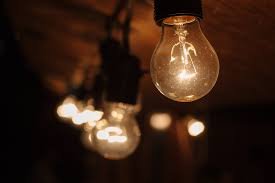
Light bulbs are ubiquitous in homes, offices, and public spaces — glowing quietly overhead, doing their job without much thought. But under certain conditions, that very bulb meant to light up a room can turn into a serious hazard. Although they may seem harmless, many types of bulbs carry real risks: from fire and burns to toxic mercury release and UV radiation. Understanding how — and when — a bulb can become dangerous is important for any household.
🔥 Heat and Fire Hazards
One of the biggest dangers associated with traditional bulbs — especially older incandescent and halogen types — is overheating.
- In an incandescent bulb, electricity flows through a tungsten filament that glows to produce light. But as the filament glows, it generates enormous heat: often so much that as much as 95% of the energy is emitted as heat rather than light.
- The glass envelope of such bulbs may reach surface temperatures around 250 °C (482 °F) during use.
- In cramped or poorly ventilated places — closets, storage rooms, enclosed fixtures — that heat cannot dissipate properly. That raises the temperature of the bulb and the surrounding air, creating conditions where nearby flammable items (cardboard boxes, papers, cloth, curtains) can ignite.
- Halogen bulbs pose even greater danger: because they operate at higher temperatures than standard incandescent bulbs, they’ve been linked to numerous house fires. In fact, floor lamps using halogen bulbs have been banned in certain places after being tied to multiple fires and fatalities.
Even a momentary lapse — like leaving a lamp on overnight, covering a lamp with a piece of cloth, or placing the bulb too close to curtains — can become the spark that starts a fire. In such cases, a bulb might be the hidden culprit behind sudden, unexpected fires.
⚠️ Risk from Broken or Faulty Bulbs: Glass Shards, Exposed Filaments, and Fires
Light bulbs aren’t just risky when they’re glowing — they’re also a hazard when they break or experience wiring faults.
- Many traditional bulbs have a thin glass shell. If this shell cracks or shatters — for instance, if the bulb is hit, experiences a sudden temperature change, or is mishandled — glass shards can become dangerous: sharp enough to cut skin or eyes.
- If the filament is exposed while still hot, or if internal wiring becomes damaged or corroded with age, it could cause electrical arcing — an unpredictable spark or surge that might ignite flammable materials nearby.
- A cracked bulb might also overheat more than usual. A cracked glass casing affects heat containment and heat dissipation balance — increasing fire risk compared to an intact bulb.
- In addition, older fixtures and sockets can degrade over time. Loose or corroded metal contacts inside a socket may lead to unstable electrical connections — an often-overlooked factor in household fire hazards.
In short: a bulb isn’t only dangerous when it’s switched on — if it’s cracked, poorly maintained, or installed improperly, it can still pose serious fire or injury risks even when off (or while being replaced).
☢️ Chemical & Radiation Hazards: CFLs, Mercury, and UV Exposure
Not all risks come from heat or fire. Some types of bulbs — especially energy-efficient ones — bring a different kind of danger: chemical and radiation exposure.
- Bulbs like Compact Fluorescent Lamp (CFL) contain small amounts of mercury vapor inside the glass tubing. If such a bulb breaks, mercury can be released into the air. Mercury is toxic, and though the amount per bulb is small (often 3–5 mg), it still poses a hazard — particularly if cleanup is not done carefully.
- A broken bulb — especially certain metal halide or mercury vapor types — may leak ultraviolet (UV) radiation. Without proper outer glass protection or enclosure, such UV exposure can cause skin burns, eye damage, vision problems, even nausea and headaches.
- In public spaces (gyms, halls, or large rooms with overhead metal-halide lighting), there have been reported cases of people suffering burns or eye injuries after a bulb broke and exposed UV-emitting components.
Thus, while switching to CFLs or other energy-efficient bulbs offers environmental and cost benefits, it demands far more careful handling — especially during disposal, replacement, or if breakage occurs.
🔌 Electrical & Wiring Dangers
Even beyond the bulb itself, the wiring, socket or fixture can be a source of danger.
- Over time, bulb sockets and wiring degrade — insulation may wear out; connections may loosen or corrode. That deterioration can lead to faulty electrical connections, sparking, or short circuits.
- Using a light bulb with a higher wattage than recommended for a given fixture can overload the wiring or fixture’s design — causing overheating or even arcing.
- Poor-quality bulbs (or counterfeit/cheap ones) may lack adequate insulation or protective casing. This becomes a significant issue especially with modern LED or energy-efficient bulbs: when built to low standards, they might overheat, short-circuit, or fail in unpredictable ways.
In these circumstances, the light bulb isn’t just a passive fixture — it becomes a potential source of electrocution, fire, or flame.
🏠 Everyday Scenarios That Turn Lighting Into Danger
Putting together all the risks above — heat/fire, breakage, chemicals, wiring — it becomes clearer how everyday, innocent situations can escalate into dangerous ones. Here are some common examples where a simple bulb can threaten safety:
- A closet or storage room with a bare incandescent bulb and cardboard boxes or paper nearby. In a poorly ventilated space, the bulb becomes hot enough to ignite.
- A halogen floor lamp placed near curtains or drapes; the heat from the bulb eventually causes the fabric to smolder or catch fire.
- A CFL bulb breaking in a kitchen or living room — releasing mercury vapor and glass shards, posing health and injury risks.
- A metal-halide bulb in a gym or hall being struck or cracked — suddenly exposing UV radiation or causing sparks from broken glass, putting people at risk of burns or eye injuries.
- Old wiring or a corroded socket in a lamp that flickers or buzzes — potentially leading to electrical arcing and house fire.
- Overloading a light fixture by inserting a higher-wattage bulb than it was designed for — a ticking time-bomb of overheating and fire hazard.
✅ How to Use Light Bulbs Safely — Precautions You Should Always Take
Given all these possible hazards, it’s important to treat light bulbs with the respect they deserve. Here are practical steps you can follow to reduce risk:
- Always check the fixture’s maximum wattage before installing a bulb. Never exceed that.
- Ensure there is adequate ventilation around bulbs; avoid enclosed fixtures or covering bulbs with fabric or combustible materials.
- Keep flammable items (paper, cloth, cardboard, curtains) away from light bulbs — especially if they run hot (incandescent, halogen).
- Handle bulbs carefully. If a bulb breaks or its glass cracks, turn it off immediately, avoid touching shards, and clean up carefully — especially for mercury-containing bulbs (CFLs).
- Use bulbs from trusted, certified manufacturers — avoid cheap, unknown, or counterfeit bulbs whose safety cannot be guaranteed.
- Regularly inspect fixtures, sockets, and wiring for signs of wear, corrosion, overheating or loose connections. Replace or repair them promptly.
- Where possible — use modern, safer lighting technologies (e.g. quality LED bulbs) that emit less heat, pose lower fire risk, and don’t contain toxic materials.
⚠️ Why Light Bulbs are Underestimated as a Danger
It is perhaps human nature to view light bulbs as simple, safe tools. After all, they make our lives easier — lighting up dark rooms, enabling work at night, brightening homes. But that everyday convenience can lull us into complacency.
Because the risks — heat, fire, broken glass, chemicals, radiation, electrical faults — often lie hidden until something goes wrong, many people simply never think a bulb could be dangerous. That’s especially true in older houses, where wiring may be outdated, fixtures are neglected, or cheap bulbs are used.
At the same time, newer technologies (like CFLs and cheaper LED bulbs) bring new hazards — and people often underestimate those risks as well. A modern bulb might not get hot, but if it breaks or is low-quality, it could release toxins, fail electrically, or misbehave in unpredictable ways.
Ultimately, the danger doesn’t come from the light bulb “by itself” — it comes from how it’s used, maintained, and understood.
🧠 Conclusion: Light Bulbs — Everyday, But Not Harmless
Light bulbs are among the most common items in every home and workplace. But they are not inherently benign.
From intense heat and fire risk (especially with incandescent or halogen bulbs), to chemical and radiation hazards (with some CFL or metal-halide types), to the dangers of broken glass or failing wiring — the list of potential dangers is surprisingly long.
That doesn’t mean we should stop using bulbs altogether. Rather — it calls for awareness, caution, and responsible usage. Choose the right bulb for the right fixture, ensure proper ventilation, avoid placing flammable objects nearby, and replace or dispose of bulbs carefully.
When we treat light bulbs with the respect and care they — sometimes quietly — deserve, we keep the light shining safely. But when we ignore their risks, we invite trouble — often at the flick of a switch.
So next time you turn on a bulb, remember: a little caution goes a long way. And a seemingly simple bulb can be far more dangerous than it appears.
